
Table of Contents
- How to Compare Custom Yacht Builders: A Quick Reference
- 1. Lürssen: Engineering for the Largest Custom Superyachts
- 2. Feadship: Dutch Precision and Fully Bespoke Design
- 3. Oceanco: Avant-Garde Design and Innovation
- 4. Benetti: Italian Heritage with Semi-Custom Flexibility
- 5. Sanlorenzo: Made-to-Measure Italian Craftsmanship
- 6. Amels: Proven Platforms with Custom Interiors
- 7. Sunreef Yachts: Custom Catamarans and Eco-Propulsion
- Understanding the Custom Superyacht Construction Process
- Post-Delivery Support, Warranty, and Refit Capability
- Sustainability and Eco-Certification in Custom Builds
- Choosing a Shipyard: What Actually Decides It
- Frequently Asked Questions
Last Updated: September 16, 2026
How to Compare Custom Yacht Builders: A Quick Reference
Choosing among the best yacht builders for custom projects comes down to four variables: yard capability, naval architecture depth, delivery discipline, and after-sales reach. Get those wrong and a three-year build runs to five. This guide compares the leading yards on those terms, with trade-offs stated plainly.
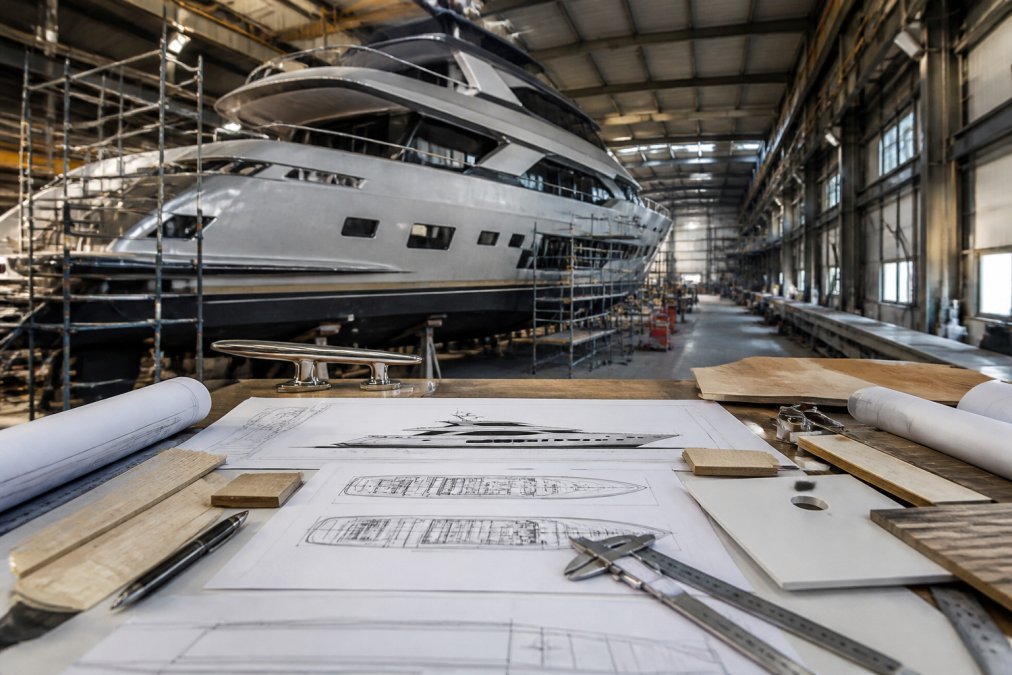
Custom yacht construction means designing and building from a blank naval architecture brief rather than adapting an existing hull platform. In semi-custom work, the hull and engineering package are fixed and only interior and finishing are personalised. That distinction drives cost, timeline, and how much of the design you control.
For a first build, the honest starting point is that a custom superyacht project is a multi-year engineering programme, not a purchase. The shipyard is not the only decision: the naval architect, the owner’s representative, and the contract structure matter just as much.
Builder | Country | Build Type | Best For | Main Trade-Off |
|---|---|---|---|---|
Lürssen | Germany | Full custom | Very large, technically complex yachts | Long lead times |
Netherlands | Full custom | Precision Dutch craftsmanship | High entry cost | |
Oceanco | Netherlands | Full custom | Avant-garde design | Limited build slots |
Italy | Semi & full custom | Proven platforms, custom interiors | Customisation varies by series | |
Italy | Made-to-measure | Design-led personalisation | Production wait times | |
Amels | Netherlands | Platform & custom | Faster delivery on proven hulls | Less structural freedom |
Sunreef | Poland | Custom catamarans | Multihull space and eco-propulsion | Multihull-only focus |
1. Lürssen: Engineering for the Largest Custom Superyachts
Lürssen is the German yard that builds the largest fully custom motor yachts in the world, and the benchmark against which every other large-project shipyard is measured. It handles naval architecture, engineering, and construction in-house, rare at this scale, and a genuine advantage on technically complex projects. The trade-off is time: years of design development before steel is cut, and an order book that reflects it.
2. Feadship: Dutch Precision and Fully Bespoke Design
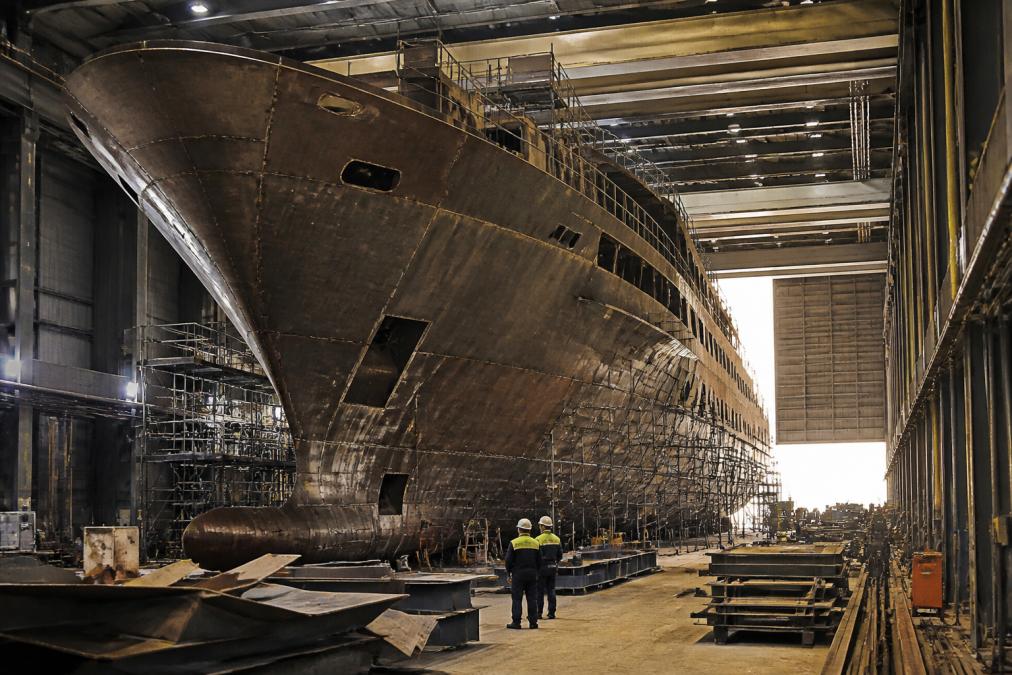
Feadship is a Dutch shipyard group known for fully bespoke motor yachts, with a reputation built on Dutch craftsmanship standards and resale value that holds up better than most. Every project is a one-off design. Coming from a semi-custom background, expect a different rhythm: decisions are made earlier and locked sooner, because nothing is inherited from a previous hull.
3. Oceanco: Avant-Garde Design and Innovation
Oceanco builds large custom superyachts in the Netherlands with an emphasis on striking exterior design, often with well-known naval architects and studios, and has the capability for vessels well over 100 metres. Availability is the constraint: a limited number of projects per year means timing a build around your own schedule is not always possible.
4. Benetti: Italian Heritage with Semi-Custom Flexibility
Benetti offers semi-custom and fully custom yachts, backed by a long Italian design heritage and a global service network. It suits owners who want a proven platform with a personalised interior rather than a blank-sheet engineering project. The nuance most buyers miss: customisation depth varies by model series, so ask what can be changed on your platform before committing.
5. Sanlorenzo: Made-to-Measure Italian Craftsmanship
Sanlorenzo positions itself around a made-to-measure approach, with highly personalised layouts and contemporary, art-led interiors. Modular construction gives it flexibility a rigid platform does not. Production capacity is the honest limitation: popular models carry wait times, so plan the build timeline around slot availability, not the other way round.
6. Amels: Proven Platforms with Custom Interiors
Amels, part of Damen Yachting, is best known for its Limited Editions range: proven hull platforms that shorten delivery time while leaving interior and finishing open to custom design, with Dutch engineering standards across the range. The compromise is structural, a Limited Editions hull gives less freedom to alter the naval architecture itself, which matters if your brief is genuinely unusual.
7. Sunreef Yachts: Custom Catamarans and Eco-Propulsion
Sunreef specialises in luxury custom catamarans and sailing multihulls, with extensive interior customisation and a notable push into eco-friendly propulsion. For owners who want living space and stability over pure speed, a multihull changes the brief entirely. It is a niche choice by design: if your cruising plans suit a monohull, this yard is not the right fit.
Understanding the Custom Superyacht Construction Process
A custom build is a staged engineering programme, and each stage gates the next. Understanding what happens inside each one, and what you are approving, is the difference between a project that runs to schedule and one that drifts.
Get in touch with us to discuss your yachting needs. →
Post-Delivery Support, Warranty, and Refit Capability
Delivery is the midpoint of ownership, not the finish line. A custom yacht’s first two years typically involve snagging lists, systems commissioning, and warranty claims, and how a yard handles those months tells you more about its standards than the launch ceremony does.
- Ask for the refit projects completed in the last three years, with vessel length and scope, not just new-build references.
- Ask whether the yard holds the class society approvals and welding certifications needed for structural refit work, or subcontracts them.
- Ask what spares and technical documentation are handed over at delivery, and whether the yard retains a digital copy for future refit planning.
Sustainability and Eco-Certification in Custom Builds
Hybrid propulsion, fuel-efficient cruising profiles, and lighter aluminium construction are now standard conversation points in custom yacht design, and several yards have moved them from option to core offering. If environmental performance matters to your brief, ask for specifics rather than marketing: which classification society will certify the vessel, what the fuel consumption curve looks like at your intended cruising speed, and whether the yard can document its efficiency claims.
Choosing a Shipyard: What Actually Decides It
The best yacht builders for custom projects are the ones whose specialism matches your brief, not the ones with the largest order book. A yard that excels at 120-metre displacement hulls is not automatically right for a 45-metre explorer yacht, and a catamaran specialist is the wrong answer if you want a monohull.
Work through this checklist before you shortlist:
- Define the brief: length, gross tonnage, range, guest count, and cruising region
- Confirm build type: full custom, semi-custom, or platform-based
- Verify the naval architect’s experience with that specific yard
- Request the payment schedule and confirm it is milestone-linked
- Have a maritime lawyer review the build contract before signing
- Ask who handles warranty and service in your cruising region
- Confirm refit capability and whether the yard supports the vessel post-delivery
- Visit the yard in person and inspect a vessel mid-build, not just a finished one
Frequently Asked Questions
How much does it cost to build a custom yacht?
Pricing for a custom yacht depends on vessel length, gross tonnage, materials, propulsion systems, and interior outfitting. A fully custom superyacht from a top shipyard involves naval architecture, engineering, and premium finishes that vary widely by specification. Palm Lifestyle does not publish fixed prices because each project is quoted individually. For a tailored estimate, contact their team to discuss your requirements and receive a project-specific quotation.
What are the key stages of building a custom superyacht?
The custom superyacht construction process typically begins with concept and naval architecture, followed by detailed engineering, steel or aluminium hull fabrication, interior outfitting, systems integration, and sea trials. Each stage involves owner representation and project management to ensure vessel specifications are met. Shipyards in Italy, Germany, and the Netherlands follow rigorous quality control at every phase. The entire process from contract signing to delivery can span several years depending on complexity.
How long does the custom yacht construction process typically take?
Yacht build timelines vary by shipyard and project scope. Semi-custom builds using proven platforms can take 18 to 24 months, while fully bespoke superyachts often require three to four years or more. Factors include design complexity, material availability, and yard capacity. Lürssen and Feadship, known for large-scale custom projects, have longer lead times due to engineering demands. Early planning with a broker helps align expectations and manage the schedule.
What distinguishes a custom yacht build from a semi-custom build?
A full-custom build starts with a blank canvas: naval architecture, hull form, and interior layout are designed specifically for the owner. Semi-custom projects use an existing hull platform with customisation options for interiors, finishes, and some technical systems. Benetti and Amels offer both approaches, giving owners flexibility. Full-custom offers unlimited personalisation but requires longer timelines and deeper engineering involvement. Semi-custom delivers faster, often at lower cost.
How do I select the right shipyard for a custom project?
Selecting a shipyard involves evaluating build quality, engineering capability, refit capability, and experience with your vessel type. Visit the yard, review previous projects, and assess their project management and owner representation. Shipyards in Germany and the Netherlands are known for precision engineering, while Italian yards excel in interior design and craftsmanship. A broker like Palm Lifestyle can provide unbiased guidance and help you vet shipyards based on your specific requirements and budget.
