
Last Updated: November 7, 2026
Quick Summary
A customized yacht charter itinerary is a day-by-day plan built around your group’s preferences, covering cruising grounds, anchorages, port stops and shore activities. Start by collecting guest details, then set realistic daily sailing limits and build in a flexible swing day for weather. Work with your broker and captain using a written preference brief.
- Collect guest count, ages, purpose, activity level and dining wishes before speaking to a broker.
- Budget each day in three blocks: a morning passage, an afternoon at anchor, and an evening ending before dark.
- Plan refuelling around a mid-week port call so a delay does not strand the final leg.
- Include one flexible swing day mid-charter to absorb weather delays without cutting key stops.
- Write a one-page preference brief covering the group, non-negotiables, pace and daily rhythm.
Table of Contents
- What a Customized Yacht Charter Itinerary Covers
- Gathering Guest Preferences Before You Plan
- Yacht Charter Itinerary Planning Checklist
- Setting Realistic Daily Cruising Limits and Timing
- Week-Long Yacht Charter Itinerary: A Sample Schedule
- Yacht Charter Itinerary Examples for Family and Business Groups
- Building a Bespoke Yacht Charter Route With Your Broker and Captain
- Booking Your Customized Charter With Palm Lifestyle
- Frequently Asked Questions
What a Customized Yacht Charter Itinerary Covers
A customized yacht charter itinerary is a day-by-day plan built around your group, not a standard route copied from a brochure. It sets out where you cruise, where you anchor, when you go ashore, and how long each leg takes.
A good itinerary covers the basics first: cruising grounds, daily sailing time, port stops, anchorage choices, and shore activities. For a full walkthrough of the process, see our step-by-step guide to bespoke itinerary planning. It then layers in the things that make the trip feel personal, such as dining plans, water sports, and rest time.
Many charter guests find that the best itineraries are the simplest ones. Fewer long passages and more time at anchor usually lead to a better trip. Keep that in mind as you read the steps below.
Gathering Guest Preferences Before You Plan
Your first task is to collect the facts that shape every other decision. Start with who is on board, how many people, and what they want from the trip. A family with young children needs different stops than a group of business clients hosting a meeting at sea.
Write down these details before you speak to a broker:
- Guest count and ages: Note children, older guests, and anyone with mobility needs.
- Purpose: Family holiday, corporate hospitality, celebration, or a mix.
- Activity level: Some guests want daily swimming and diving; others want quiet mornings.
- Dining wishes: Chef-prepared meals, local restaurant visits, or simple provisioning.
- Pace: Do guests want to see many places, or settle into a few?
A common mistake is sharing only the destination. Brokers and captains plan better when they know the people, not just the place. Be honest about limits too, such as seasickness or a low tolerance for long passages.
Yacht Charter Itinerary Planning Checklist
Use this checklist to make sure your plan covers the essentials before you commit:
- Confirm the number of guests and crew berths
- Choose a region and a rough season
- Set your start and end ports
- List must-see stops and must-avoid stops
- Decide how many nights you want at anchor versus in port
- Note dining, provisioning, and water sports preferences
- Agree on a daily cruising limit with your captain
- Plan one or two flexible days for weather or spontaneous changes
Share this checklist with your broker early. It gives them a clear brief and reduces back-and-forth.
Setting Realistic Daily Cruising Limits and Timing
One of the most useful decisions you can make is how far to sail each day. Long passages eat into time ashore and can leave guests tired. Most well-run charters keep daily sailing to a comfortable distance and spend the rest of the day anchored or in port. The trick is to translate that principle into numbers your captain can actually plan against. Once you have set a comfortable daily range, use it to weigh sailing time against time ashore, a balance that also shapes the choices behind Follow That Dream Sailing.
How vessel speed turns into a daily schedule
A yacht’s cruising speed, not its top speed, sets the real limit on your day. A plan that looks short on a map can still consume a full day once you add time for tender runs and a slow approach into a shallow anchorage.
A practical rule most captains apply is to budget the day in three blocks: a morning passage of two to four hours, an afternoon at anchor or in port, and an evening that ends before dark where possible. That structure leaves room for swimming, lunch, and a shore excursion without turning the trip into a delivery run.
Fuel range, tender logistics, and local restrictions
Three operational factors quietly reshape any itinerary:
- Fuel range. A yacht’s range at cruising speed determines how far you can go between refuelling stops. On a seven-day route, plan refuelling around a mid-week port call rather than at the end, so a delay does not strand the final leg.
- Tender logistics. A tender that takes 20 minutes to launch and recover effectively removes an hour from your day. Cluster tender-dependent activities, beach lunches, snorkelling, village visits, on the same days rather than spreading them thin.
- Local restrictions. Many cruising grounds limit anchoring in sensitive areas, cap the number of nights in a marine protected zone, or require advance permission for certain bays. Your captain will know these, but the earlier they enter the plan, the fewer last-minute changes you face.
Building weather margin into the schedule
Wind and sea state can change a planned leg, so build in a flexible day. A common pattern is to designate one day mid-charter as a ‘swing day’ with no fixed destination, it absorbs a weather delay without forcing you to cut a stop you care about. On longer routes, plan the longest passage for the morning, when conditions are usually calmest, and keep the afternoon short.
Watch out: a plan that assumes every leg runs on time will collapse the first time a headwind adds two hours to a crossing, so treat the swing day as non-negotiable rather than optional.
Your captain has the final say on safe sailing conditions. A realistic plan the crew can deliver always beats an ambitious one that gets cut short.
Week-Long Yacht Charter Itinerary: A Sample Schedule
A seven-day charter gives you room to see several places without rushing. The sample below shows how a balanced week might look. Adjust it to your region, your guests, and the season.
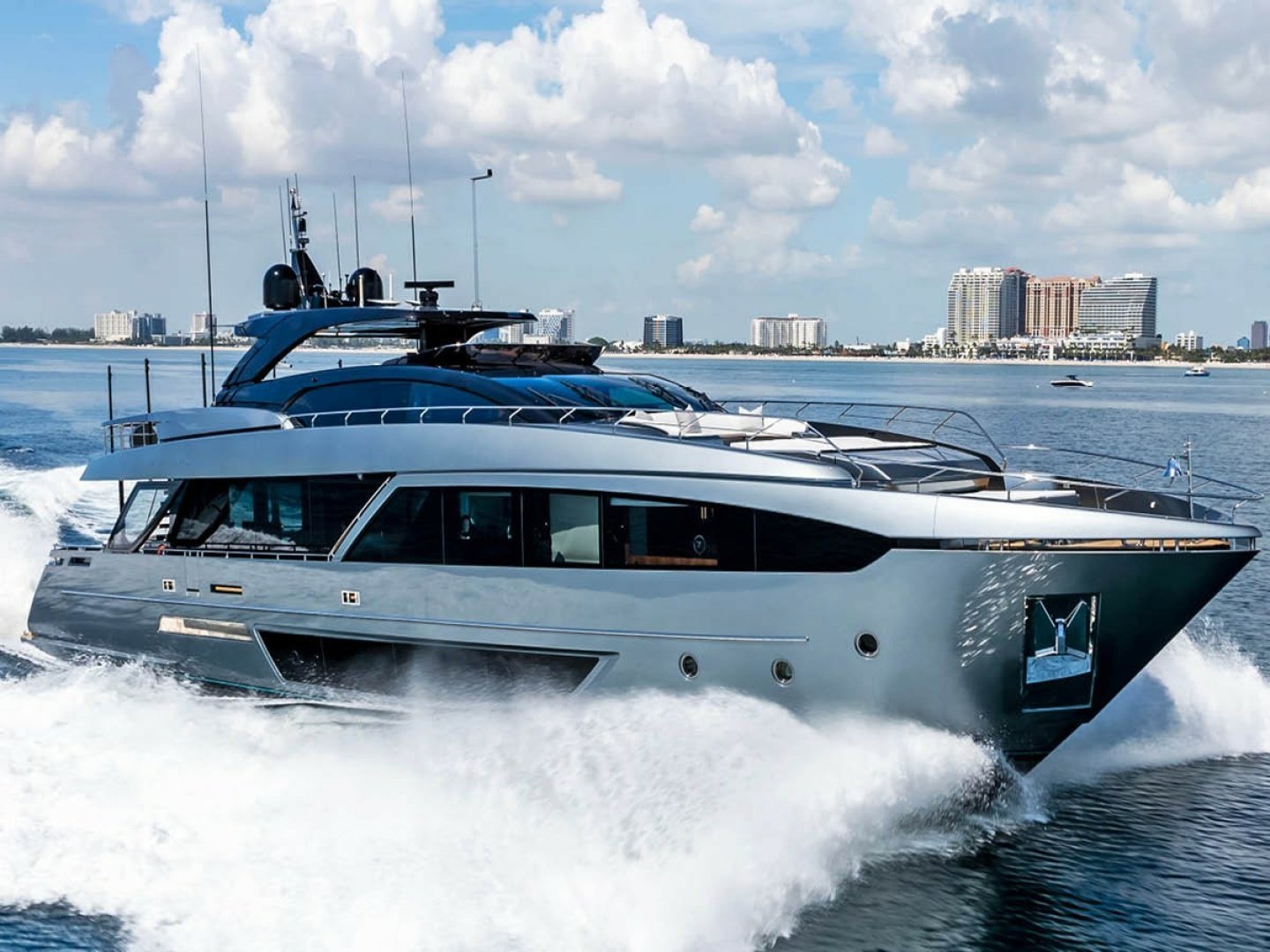
Guests relaxing on a luxury yacht sundeck during a Mediterranean yacht charter itinerary.
Day | Focus | Typical Activity |
|---|---|---|
1 | Embarkation | Board, settle in, short evening sail |
2 | First cruising ground | Morning sail, afternoon anchorage swim |
3 | Shore day | Port visit, guided excursion, dinner ashore |
4 | Longest passage | Early start, lunch underway, late arrival |
5 | Rest and water sports | Anchored day with diving or paddle boarding |
6 | Flexible day | Reserve for weather or favourite stops |
7 | Return | Final morning swim, disembark |
For more detail on a full week’s route, see our Montenegro Yacht Charter Itinerary: 7 Days from Tivat, which shows distances, the best season, and suitable yachts for a seven-day route.
Yacht Charter Itinerary Examples for Family and Business Groups
Different groups need different plans. Families often want a slower pace, shallow-water anchorages, and beaches that suit children. Business groups usually need a reliable onboard meeting space, a quieter evening schedule, and easy access to a port for arrivals.
- Family itinerary: Short daily sails, two or three anchorages with beach access, and one shore excursion per day.
- Business itinerary: A calm morning for meetings, a scenic afternoon sail, and a formal dinner in a harbor with good transport links.
- Mixed group: Alternate active and quiet days, and give guests a choice of excursions each morning.
Shared events can be planned in advance. A business dinner on the sundeck or a family picnic on a quiet beach can both work, provided the crew knows the timing early.
Building a Bespoke Yacht Charter Route With Your Broker and Captain
Your broker and captain turn your preferences into a workable route. The difference between a good charter and a great one is usually how well that handover is handled. Rather than trading messages back and forth, most experienced charterers prepare a short written brief before the first planning call.
The preference brief: what to put in writing
A one-page brief is enough. It should cover:
- The group. Names, ages, relationships, and any mobility, dietary, or medical needs the crew must know about.
- The non-negotiables. Two or three stops or experiences the trip must include, and any places or activities to avoid.
- The pace. Whether the group wants a new anchorage most days or prefers to settle into two or three for the week.
- The daily rhythm. Preferred breakfast, sailing, and dinner times, plus how much structured activity versus free time the group enjoys.
- The budget shape. Not a single figure, but how you want to allocate it, more nights at anchor versus more marina stays, more shore excursions versus more onboard dining.
A brief like this gives the broker something concrete to design against and reduces the back-and-forth that eats into planning time.
The decision timeline
Itineraries are usually refined in stages, and knowing the stages helps you avoid late changes:
- Region and season, agreed first, because it determines yacht availability.
- Yacht shortlist, matched to group size, pace, and the activities you want.
- Route skeleton, start and end ports, must-see stops, and the swing day.
- Day-by-day detail, anchorages, shore excursions, dining, and provisioning.
- Final confirmation, berths booked, activities reserved, crew briefed.
Most changes are cheap in stages one to three and expensive in stage five, because berths and excursion slots are already committed. Front-load your decisions.
Who approves changes, and how
On board, the captain has authority over safety and weather decisions, a route change for sea state is not a negotiation. The broker handles commercial changes: adding a shore excursion, extending a marina stay, or adjusting provisioning.
Ask your broker to explain how the proposed route handles weather and port availability. A good plan includes backup stops in case the main anchorage is unsuitable. Ask about provisioning and the cost implications of each change, so you can judge trade-offs before you agree.
For a wider view of destinations and their best seasons, read our guide to yacht charter destinations around the world. It helps you choose a region before you refine the route.
Booking Your Customized Charter With Palm Lifestyle
When you are ready to move forward, Palm Lifestyle can build a customized itinerary around your group, your dates, and your preferences. Our team can help with the route and yacht selection so you can focus on your guests. You can explore our yacht charter service to see what we can arrange for your trip.
Get in touch with us to discuss your yachting needs.
Frequently Asked Questions
Can you customize the itinerary on a luxury yacht charter?
Yes. A luxury yacht charter itinerary can be shaped around your guests’ interests, group size, and pace. Most of the route, the stops, the timing of each day, and the onboard activities can be adjusted before departure and, in many cases, during the trip. Share your priorities early, including any mobility needs or business commitments, so the itinerary reflects them from the start.
How do you plan a yacht charter itinerary?
Start with the guest brief: group size, dates, must-see destinations, and how much time you want at anchor versus in port. Next, check the cruising distances between stops and set a realistic daily limit, often well under the maximum the yacht could manage. Then add shore excursions, water sports, and dining, and build in a flexible day for weather or spontaneous changes. Your broker and captain can confirm port availability and sea conditions before the route is finalised.
How far in advance should you plan a yacht charter itinerary?
Planning lead time depends on the season, the yacht you want, and how specific the route is. Popular summer dates in the Mediterranean are often booked well ahead, so starting several months out gives you more choice of vessel and ports. A fully bespoke route with special events or private arrangements benefits from even longer lead time. Palm Lifestyle can advise on realistic timelines for your dates and destinations when you get in touch.
Can a yacht charter itinerary change during the trip?
Often it can, within limits. Weather, sea state, port availability, and guest preferences can all prompt changes, and a good captain will adjust the route for safety and comfort. Build flexibility into the plan by leaving one or two days loosely scheduled and by choosing alternative anchorages for each main stop. Any changes that affect cost or timing should be agreed with your broker in advance.
