
Table of Contents
- Top Mediterranean Destinations for Family Yacht Trips
- Greek Islands: Island-Hopping and Family-Friendly Sailing Destinations Mediterranean
- Croatia and the Dalmatian Coast
- Italy: Amalfi Coast and Coastal Gems
- Planning Your Mediterranean Yacht Itinerary for Families
- Best Time for a Mediterranean Yacht Charter: Seasonal Guide
- Essential Family Yacht Trip Packing List
- Conclusion
- Frequently Asked Questions
Last Updated: October 10, 2026
Top Mediterranean Destinations for Family Yacht Trips
The Mediterranean offers accessible sailing waters for families, with sheltered anchorages, short passages between islands, and abundant swimming opportunities.
The key is choosing destinations that align with your children’s ages, your sailing experience, and available time. Some regions offer gentle sailing and frequent stops; others provide cultural experiences and historic sites.
Greek Islands: Island-Hopping and Family-Friendly Sailing Destinations Mediterranean
The Greek islands remain the gold standard for family yacht trips. Shallow, protected waters and dozens of anchorages let you sail short distances daily and reach new destinations by afternoon.
Ionian Islands
The Ionian Islands, on Greece’s western coast, are the easiest Mediterranean sailing destination for families. Winds are predictable, passages rarely exceed 15 nautical miles, and islands are less crowded than the Aegean. Corfu, Zakynthos, and Kefalonia offer protected anchorages and family-oriented restaurants.
The Ionian suits families with younger children (ages 4-10) or new sailors. Many anchorages offer natural protection from all wind directions. Plan 5-7 days to explore without rushing.
Cyclades
The Cyclades, Mykonos, Santorini, Paros, offer spectacular scenery and excellent infrastructure. Stronger winds suit families with older children (ages 10+) or experienced sailors. Most passages take 2-4 hours.
Paros and Naxos provide better balance of amenities and calm sailing than Santorini or Mykonos. Plan 5-7 days to experience multiple islands.
Croatia and the Dalmatian Coast
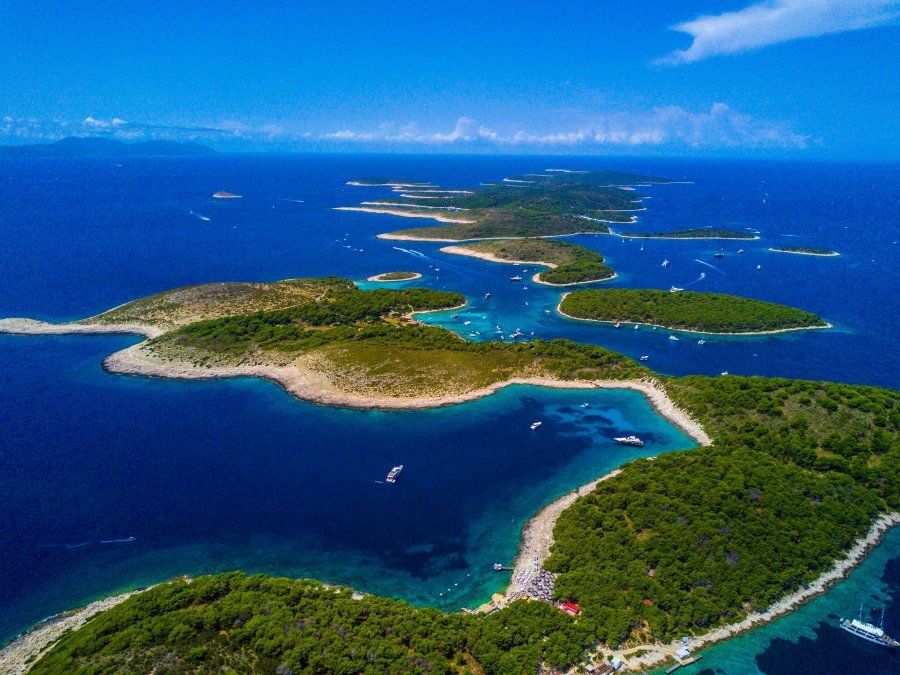
Croatia’s Dalmatian Coast is one of Europe’s top family sailing destinations. Hundreds of islands offer protection from westerly winds, passages are short, and water is clear and warm.
The Dalmatian Coast suits families with children of all ages. Younger children benefit from calm waters and frequent stops; older children enjoy medieval towns, sea-cave kayaking, and snorkeling.
Visit May through October; June and September offer warm water and fewer crowds. English is widely spoken.
Italy: Amalfi Coast and Coastal Gems
Italy’s coastline offers dramatic scenery and historic towns. The Amalfi Coast is spectacular but challenging, steep cliffs and strong winds suit families with older children (10+) and sailing experience.
The Italian Riviera around Portofino offers quieter alternatives with manageable sailing and excellent provisioning. Plan 5-7 days to explore.
Sardinia’s Costa Smeralda offers turquoise water and granite formations with straightforward sailing. Families often combine it with a passage to Corsica for variety.
Planning Your Mediterranean Yacht Itinerary for Families
Balance sailing time with shore time, realistic passage lengths, and flexibility. Match your itinerary to your children’s ages and crew stamina.
Passage Length and Daily Sailing Time
Most families sail 3-5 hours daily. Younger children (4-8) tolerate 2-3 hours; school-age children (8-12) manage 4-5 hours; teenagers enjoy longer passages.
Ionian passages: 8-15 nm (2-3 hours). Cyclades: 2-4 hours. Dalmatian Coast: 10-20 nm (3-4 hours). Amalfi Coast: shorter distances but stronger winds.
Plan one sailing day per two anchor days. This rhythm lets children adjust, explore, and recover from motion or sun exposure.
Sample Itineraries by Region and Age Group
Ionian Islands (families with young children, 4-10 years):
- Day 1: Arrive in Corfu, settle into yacht, explore town
- Day 2: Sail to Paxos (12 nm, 2.5 hours), anchor in Lakka Bay
- Day 3: Rest day; dinghy to Antipaxos for snorkeling and beach time
- Day 4: Sail to Lefkada (15 nm, 3 hours), anchor near Nidri
- Day 5: Rest day; explore Nidri town and nearby beaches
- Day 6: Sail to Meganisi (10 nm, 2 hours), anchor in Vathy
- Day 7: Return to Corfu or explore nearby anchorages
Dalmatian Coast (families with mixed ages, 6-16 years):
- Day 1: Arrive in Split, provision and settle in
- Day 2: Sail to Brač Island (12 nm, 2.5 hours), anchor in Bol Bay
- Day 3: Rest day; kayak in sea caves or explore Bol town
- Day 4: Sail to Hvar (18 nm, 3.5 hours), anchor in Pakleni Islands
- Day 5: Rest day; visit Hvar town, restaurants, and beaches
- Day 6: Sail to Vis (20 nm, 4 hours), anchor in Vis Harbour
- Day 7: Explore Vis and nearby Biševo Island (day trip by dinghy)
- Day 8: Return to Split or continue south
Cyclades (families with older children, 10+ years, or experienced sailors):
- Day 1: Arrive in Mykonos, provision
- Day 2: Sail to Delos and Rhenia (8 nm, 1.5 hours), anchor and snorkel
- Day 3: Sail to Paros (12 nm, 2.5 hours), explore Naoussa
- Day 4: Sail to Naxos (10 nm, 2 hours), rest day
- Day 5: Sail to Antiparos (8 nm, 1.5 hours), explore sea caves by dinghy
- Day 6: Sail to Ios (15 nm, 3 hours), rest day
- Day 7: Return to Mykonos or continue to Santorini
Building Flexibility Into Your Plan
Weather and children’s fatigue will change your itinerary. Identify alternative anchorages at each stage so you can anchor early or shelter if needed.
Review pilot books or digital charts before departure and mark backup stops. Experienced skippers familiar with family charters know quieter anchorages and child-friendly restaurants.
Build in at least one flex day per week for rest, laundry, or deeper exploration. Best memories often come from unplanned stops.
Passage Timing and Daylight Considerations
In May and September, you have 13-14 hours of daylight; in June, 15+ hours. Start sailing at 8 a.m. and arrive by early afternoon, leaving time for swimming before dark.
Avoid night sailing with young children. Arrive by 4-5 p.m. to anchor and prepare dinner before dark.
Crew Roles and Child Involvement
Older children (10+) can help raise sails, trim lines, keep watch, and navigate. Younger children can spot dolphins, check charts, or prepare snacks.
If you lack sailing confidence or prefer to focus on children, hire a skipper. Many charter companies match families with crew trained in family charters.
Best Time for a Mediterranean Yacht Charter: Seasonal Guide
Timing your family yacht trip affects weather, water temperature, crowds, and costs. Each season offers different advantages.
May and September are ideal.
June-August is peak season with warmest water (24-26°C) but strong, unpredictable winds (in Greece) and crowded anchorages.
April and October offer pleasant sailing with cooler water (18-20°C).
November-March is off-season with cold water and strong winds. Only experienced sailors should attempt winter sailing.
Get in touch with us to discuss your yachting needs. →
For young children, choose May, June, or September.
Essential Family Yacht Trip Packing List
Packing for a yacht trip differs from land holidays. Space is limited, the environment is wet and salty, and you need specific safety and sun-protection items. Understand what your charter company provides to avoid overpacking.
Safety Equipment and Life Jackets
Every child must have a properly fitted life jacket. Charter companies provide them, but fit varies.
For children under 8, consider inflatable life jackets alongside traditional vests. Check your charter company’s policy on approval requirements.
Bring a safety harness for children on deck in rough conditions.
Additional safety items: seasickness bands or patches, motion sickness medication, seasickness bags, waterproof flashlights, first-aid kit, and copies of passports and medical records.
Sun and Heat Protection
Sun exposure is the most common injury on family yacht trips.
Sunscreen and topical protection: Reef-safe sunscreen SPF 50+ (avoid oxybenzone and octinoxate). Bring extra; it’s expensive in ports.
Heat management: Reusable water bottles, electrolyte powder, lightweight breathable clothing, and a portable shade tent for the deck.
Heat exhaustion develops quickly in children. Encourage frequent water breaks and offer salty snacks alongside water to help retain fluids.
Seasickness Management by Age Group
Seasickness affects children differently by age and sensitivity. Several strategies reduce severity.
For children ages 4-8: Acupressure bands, ginger supplements, or medication (consult your doctor).
For children ages 8-12: Acupressure bands, scopolamine patches (prescription), ginger and peppermint supplements, and fresh air are effective.
For teenagers: Medication, acupressure, and staying on deck are effective.
Start prevention before departure. Many children acclimate by day 3.
Clothing and Personal Items
Clothing: 5-7 days of lightweight, quick-dry clothing, layers, 2-3 swimwear sets, water shoes, one dressy outfit, underwear, sleepwear, and a rain jacket.
Personal hygiene: Toothbrushes, small bottles of shampoo and body wash, deodorant, prescription medications, insect repellent, and seasickness remedies.
Entertainment and Comfort Items
Entertainment and comfort items: E-readers or tablets (preload with books and games), waterproof cases, travel games, colouring books, comfort items, familiar snacks, and a notebook for journaling.
Practical Items
Practical items: Lightweight laundry detergent, clothesline, reusable water bottles, ziplock bags, multi-tool, duct tape, and copies of passports and medical records.
What Charter Companies Typically Provide
What charter companies typically provide: Life jackets, snorkeling gear, dinghy, safety equipment, deck cushions, basic provisions, bed linens, towels, and galley equipment.
What charter companies typically do not provide: Sunscreen, medications, entertainment, specialty snacks, laundry detergent, and personal grooming items.
Packing Strategy: Less Is More
Yacht cabins are small. Pack only what you’ll use. Lightweight, quick-dry fabrics are essential; avoid heavy jeans and cotton towels.
Roll clothing to save space. Leave room for souvenirs and provisions you’ll buy along the way.
Conclusion
The Mediterranean offers some of the best mediterranean destinations for family yacht trips, suited to every age and experience level.
Success comes from matching your destination to your family’s needs and choosing the right time. May, June, and September offer warm water, moderate winds, and manageable crowds.
At Palm Lifestyle, we specialise in customised yacht charter itineraries for families.
Contact us to discuss your family’s yacht charter needs and choose the right destination and vessel.
Frequently Asked Questions
Which Mediterranean islands are best for a family yacht holiday?
The Ionian Islands in Greece offer calm waters and shorter sailing distances ideal for families with young children. The Cyclades provide iconic scenery and family-friendly ports like Mykonos and Santorini. Croatia’s Dalmatian Coast features protected anchorages and shallow bays perfect for swimming. Italy’s Amalfi Coast combines stunning coastline with accessible harbors. Choose based on your family’s sailing experience and children’s ages—beginners benefit from shorter daily passages in the Ionians, while more experienced sailors enjoy the Cyclades.
What is the best time of year for a family yacht trip in the Mediterranean?
Late spring (May to June) and early autumn (September to October) offer ideal conditions for families. Summer (July-August) brings peak temperatures and crowded anchorages, making it less comfortable for children. Winter conditions are challenging with unpredictable weather. May-June and September-October provide warm water, moderate winds, and fewer tourists. These periods also align well with school holidays in many regions, making logistics easier for family travel.
How many days should a family yacht charter last?
A 7-10 day charter works best for most families. This duration allows time to settle into yacht life, explore multiple destinations without rushing, and build confidence in younger sailors. Shorter charters (3-5 days) suit families with limited time but offer less flexibility for weather delays or spontaneous stops. Longer charters (14+ days) can challenge younger children’s attention spans and increase fatigue. Plan daily sailing distances of 20-30 nautical miles maximum when traveling with children to minimize time at sea and maximize destination time.
What type of yacht is most comfortable for a family trip?
Catamarans offer superior stability, spacious cabins, and shallow draft ideal for families with young children. They provide better motion at sea and often include larger saloon areas for rainy-day activities. Monohull sailing yachts suit families with older children and sailing experience. Motor yachts provide comfort but limit sailing education opportunities. For families, prioritize vessels with separate cabins for privacy, good ventilation, outdoor shade, and safety railings. Crew availability enhances the experience by handling navigation and meal preparation, allowing parents to focus on family time.
Which Mediterranean destinations have calm waters and short sailing distances?
The Ionian Islands in Greece are renowned for protected waters and daily passages of 15-25 nautical miles—perfect for families. Croatia’s Dalmatian Coast offers similar conditions with numerous island anchorages. The Balearic Islands near Spain provide calm bays and short hops between islands. Italy’s Portofino area and surrounding Ligurian coast feature scenic, sheltered sailing. These regions combine manageable passage lengths with abundant family-friendly swimming spots, making them ideal for less experienced sailors or families prioritizing relaxation over distance.