

Last Updated: November 14, 2026
Quick Summary
Marine insurance for a privately owned yacht protects the vessel, its owner and third parties against physical loss, damage and liability during navigation, mooring and transit. Hull and machinery cover protects the vessel itself, while third-party liability cover is often required by marinas before allocating a berth.
- Agreed value fixes the sum insured at the outset, so a total loss pays that figure without a later valuation argument.
- Marinas and berth operators often require proof of liability cover before allocating a berth.
- Standard hull policies often exclude or restrict transit, so relocations need a specific endorsement.
- Underwriters assess hull and value, use and navigation, operation and claims history before quoting a premium.
- A navigation limit is usually geographic and seasonal, and a single passage beyond it can void cover.
Table of Contents
- What Marine Insurance Covers for a Privately Owned Yacht
- Yacht Hull and Machinery Insurance: Protecting the Vessel Itself
- Yacht Third-Party Liability Insurance and Why Marinas Ask For It
- Yacht Transit Insurance for Deliveries and Relocations
- Your Yacht Insurance Documents Checklist Before You Apply
- How Insurers Assess Risk and Set Your Premium
- Arranging Cover Through a Brokerage You Already Trust
- Frequently Asked Questions
What Marine Insurance Covers for a Privately Owned Yacht
Marine insurance for a privately owned yacht is a policy that protects the vessel, its owner and third parties against physical loss, damage and liability during navigation, mooring and transit.
Private cover differs sharply from commercial cargo policies. For a wider walkthrough of how policy structures differ, see our guide to choosing the right yacht insurance policy.
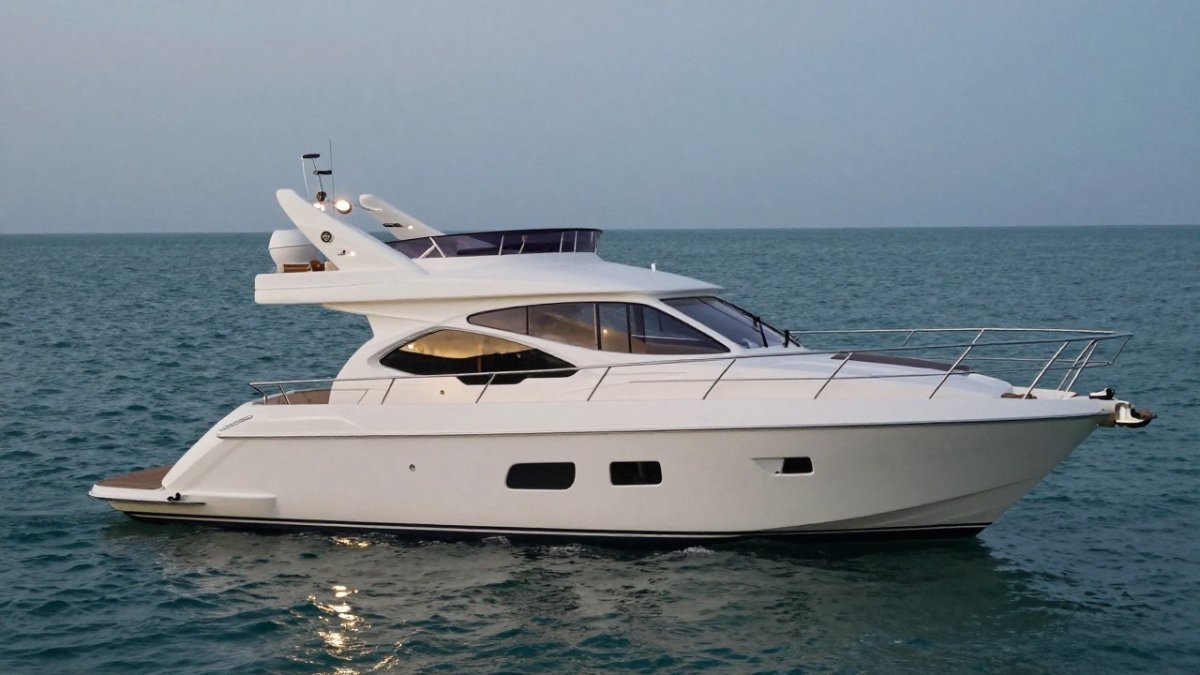
Where Private Cover Differs From Commercial Cargo Policies
Commercial marine cargo insurance protects goods in transit and is priced around shipment value, route and Incoterms such as CIF and FOB. A private yacht policy protects a single hull used for pleasure, so insurers ask about navigation limits, crew competence and mooring arrangements rather than bills of lading. The two rarely overlap, and a cargo policy will never pay for hull damage.
Yacht Hull and Machinery Insurance: Protecting the Vessel Itself
Yacht hull and machinery insurance covers physical damage to the vessel, its engines, generators, navigation equipment and installed systems. It responds to grounding, collision, fire, storm damage and theft of equipment, subject to the deductible and the exclusions in your policy.
This is the core of any private policy. Everything else sits around it.
Agreed Value Versus Market Value
Agreed value fixes the sum insured at the outset, and a total loss pays that figure without a later valuation argument. Market value pays what the vessel is worth on the day of loss, which can be lower after a soft season. For a yacht bought as a long-term asset, agreed value removes the worst surprise. Check which basis your quote uses before you compare premiums.
Yacht Third-Party Liability Insurance and Why Marinas Ask For It
Yacht third-party liability insurance covers injury to other people and damage to their property, including other vessels, docks and marina infrastructure.
For a private buyer this is the one part of the policy that is often demanded by someone other than the insurer.
Liability cover is separate from hull cover and is usually written with a limit per occurrence. Protection and Indemnity cover extends this to crew injury and wreck removal.
What a Private Buyer Has to Prove, and to Whom
A private buyer typically faces three separate proof-of-cover requests, and they are not interchangeable:
- Berth or mooring operator. Wants a certificate showing third-party liability cover at or above a stated limit, valid for the berthing period, with the vessel and owner correctly named.
- Boatyard or haul-out facility. Wants cover confirmed for the vessel while ashore, which is often a separate clause from cover afloat.
- Lender or finance provider. Where the purchase is financed, the lender usually requires hull cover noting its interest, and may separately require liability cover.
Watch out: a certificate that names the wrong legal owner, shows an expired period, or states a limit below the marina’s minimum will be rejected, and reissuing it can delay a berth allocation or a lift-out. Check the certificate against the berth contract before you sign either.
Liability Limits, Excesses and What They Do Not Cover
Liability limits are stated per occurrence, and the limit that satisfies a marina may be well below what a serious collision with another vessel would cost. Read the limit alongside the excess: a high excess on liability claims means the insurer pays nothing until the excess is cleared, and the owner meets the first slice personally.
Liability cover is generally written to exclude the insured’s own vessel damage and contractual liabilities accepted under a berth or charter agreement, so read the exclusions against your berth contract before you sign.
Evidence to Keep for a Liability Claim
If a third party is injured or their property is damaged, the claim is decided on contemporaneous evidence. Keep the following from the outset:
- Photographs of the damage to both vessels or to the dock, taken before anything is moved where it is safe to do so.
- The berth or mooring agreement and the current certificate of insurance.
- Names and contact details of witnesses, and any incident report filed with the marina or harbour authority.
Notify the insurer promptly and in the form the policy requires. Late notification is one of the most common reasons a liability claim is reduced, and an admission of fault made to a third party before the insurer is involved can complicate the file.
Yacht Transit Insurance for Deliveries and Relocations
Yacht transit insurance covers the vessel while it is being moved outside its normal cruising area, whether by sea delivery, ship transport or road haulage. Because transit cover addresses a temporary change in where the vessel is insured, it is worth checking how the wider boat policy handles ordinary use and ownership with Hamilton Horizons Insurance Agency Inc.
Tell your insurer the route and the delivery method in advance. A gap here is one of the most common reasons a claim is refused.
Your Yacht Insurance Documents Checklist Before You Apply
Insurers assess a private yacht on paperwork as much as on the vessel. Prepare the full set before you request quotes, because missing documents stall the process and can push your start date past the purchase completion.
- Proof of ownership or the signed bill of sale
- Yacht registration certificate or provisional registration
- Current valuation or survey report
Registration details are the item buyers most often overlook. Insurers need the registered owner and flag, so it helps to understand the legal requirements for private yacht registration before you apply.
How Insurers Assess Risk and Set Your Premium
Underwriters do not price a private yacht on one number. They build a risk profile from the hull, the history and the human element, then apply loadings and deductibles to the parts they cannot verify.
A common underwriting pattern runs in four passes:
- Hull and value. Age, construction material (GRP, steel, aluminium, wood), length, engine hours and the declared sum insured set the base rate. Older hulls and wooden construction typically attract higher rates and more frequent survey conditions.
- Use and navigation. The declared cruising area, whether the vessel is used privately or commercially, seasonal lay-up and typical passage lengths all move the rate. An open-ended navigation limit is priced higher than a defined coastal or regional limit because the insurer cannot bound the exposure.
- Operation. Who is at the helm, their licences and sea time, whether a professional skipper is required, and how the vessel is moored in and out of season. A named, experienced skipper with documented sea time is easier to underwrite than an unnamed “any competent adult” clause.
- History. Prior claims, prior insurers, lapsed cover and any unrepaired damage disclosed at survey. A clean multi-year record with the same insurer is the single strongest lever a private buyer holds.
Expect questions about how often the yacht is used, where it is moored in and out of season, and whether it is ever let out. Answer precisely.
Exclusions and Navigation Limits to Read Before You Sign
Exclusions are where private buyers lose money. Read the navigation limits, the lay-up period requirements, the wear-and-tear clause and the exclusions for unqualified crew.
Watch out: a navigation limit is usually geographic and seasonal at the same time.
Three clauses deserve a slow read before you sign:
- Navigation and cruising limits. Check the named sea areas, the maximum distance offshore and whether ocean passages need a separate endorsement.
- Lay-up and unattended periods. Many policies require the vessel to be laid up, secured or professionally watched for defined months, and cover can be suspended if those conditions are not met.
- Deductibles and excesses. A per-claim deductible applies to hull damage, and a separate excess often applies to specific perils such as theft, grounding or storm. Two deductibles can apply to one incident.
Ask the insurer to confirm in writing which basis of valuation applies, which navigation areas are included, and what conditions attach to lay-up.
Underwriters build a risk profile in four passes before quoting a premium.
| Pass | What insurers look at | Effect on cover |
|---|---|---|
| Hull and value | Age, construction material, length, engine hours, sum insured | Older and wooden hulls attract higher rates |
| Use and navigation | Cruising area, private or commercial use, lay-up, passage lengths | Open-ended navigation limits priced higher |
| Operation | Who is at the helm, licences, sea time, professional skipper, mooring | Named experienced skipper easier to underwrite |
| History | Prior claims, prior insurers, lapsed cover, unrepaired damage | Clean multi-year record is strongest lever |
Arranging Cover Through a Brokerage You Already Trust
The simplest route to compliant cover is through the brokerage handling your purchase, because the documents, valuation and registration are already in one place. If you are still weighing up a vessel, you can explore our Yacht for Sale and Yacht Purchase services.
If you are also selling, our yacht sale service handles valuation and marketing. When you are ready to talk it through, speak with a broker directly rather than working through a call centre.
Buying a yacht should not stall on an insurance form. Palm Lifestyle manages the purchase, valuation and documentation as a single process, with access to a worldwide fleet for charter and a team that handles legal and financing steps alongside the sale.
Frequently Asked Questions
Is marine insurance compulsory for private yacht owners?
There is no blanket statutory rule that every privately owned yacht must carry hull cover. In practice, cover becomes effectively compulsory through other routes: marinas and berth operators require proof of third-party liability before accepting a vessel, lenders require hull and machinery cover for the life of a marine mortgage, and chartering the yacht out usually brings its own insurance conditions. Treat a policy as a condition of berthing and financing rather than an optional extra.
What documents do private buyers need to arrange yacht insurance?
Expect to supply proof of ownership or a signed bill of sale, the vessel registration or flag certificate, a recent marine survey or condition report, the hull identification number, engine and machinery details, your own identification and proof of address, and a no-claims or claims history from previous cover. If the yacht is financed, the lender’s details are needed so they can be noted on the policy. A complete yacht insurance documents checklist submitted up front shortens quoting considerably.
What does yacht hull and machinery insurance typically cover?
Hull and machinery cover responds to physical loss or damage to the vessel and its installed equipment, including the engines, generators, navigation systems and tender where listed. Covered events usually include collision, grounding, fire, storm damage, theft of equipment and salvage costs. Purely cosmetic wear, gradual deterioration and mechanical breakdown without an external cause are normally excluded, which is why the survey report matters so much at the quoting stage.
Does private yacht insurance include third-party liability?
Most yacht policies bundle a third-party liability section, but the limit and wording vary widely between insurers. Check the sum insured for liability separately from the hull value, confirm it covers injury to guests and damage to other vessels or marina infrastructure, and ask whether legal defence costs sit inside or outside that limit. Marinas commonly ask for evidence of liability cover before confirming a berth, so keep the certificate accessible.
Is a yacht covered while it is being transported?
Not automatically. Yacht transit insurance is a distinct cover for the vessel while it is carried on a ship, loaded onto a low-loader or moved between regions, and a standard cruising policy may not respond during that period. If you are buying abroad and shipping the yacht home, or relocating between the Mediterranean and this region, arrange transit cover before the vessel leaves the water and confirm whether the policy is all-risks or named-perils only.
What information do insurers need before quoting for a yacht?
Insurers price on the vessel and the way it is used: length, age, builder, hull and superstructure material, engine hours, current berth, cruising area, annual usage, whether a professional captain is employed and who else handles the yacht. They will also ask about your boating experience and claims history. Accurate answers here matter, because a mismatch between what you declare and how the yacht is actually used can give an insurer grounds to reduce a claim.
How can private buyers check exclusions and navigation limits in a yacht policy?
Read the exclusions and the navigation clause before signing, not after a loss. Confirm the named cruising area and whether sailing outside it requires prior notice, check the lay-up period if the yacht is seasonal, and look for exclusions around racing, commercial charter use, unlicensed operators and named windstorm areas. Ask the insurer to confirm in writing that your intended use, including any chartering, sits within the policy terms.
