
Table of Contents
- What Luxury Yacht Brokerage Services Actually Do
- The Yacht Acquisition Process: From Valuation to Closing
- Yacht Survey and Inspection: Non-Negotiable Due Diligence
- The Yacht Registration Process for New Owners
- Yacht Management Services After Acquisition
- Tax, VAT, and Legal Implications of Yacht Ownership
- Selling Your Yacht: Maximizing Returns Through Strategic Brokerage
- Why Confidentiality and Trust Matter in Superyacht Transactions
Last Updated: August 16, 2026
What Luxury Yacht Brokerage Services Actually Do
Luxury yacht brokerage services are far more than listing boats for sale. A professional yacht broker operates as a trusted intermediary between buyers and sellers, managing complex transactions involving millions in value, intricate legal frameworks, and sensitive negotiations. The role extends across the entire maritime lifecycle, from acquisition advisory through ongoing management and eventual resale.
At Palm Lifestyle, we understand that yacht ownership is a lifestyle decision wrapped in financial, legal, and operational complexity. Our team handles market analysis, vessel valuation, crew placement, and charter optimization. This comprehensive approach saves clients countless hours and protects them from costly mistakes. Whether you’re exploring Yacht Purchase options or considering Yacht Charter arrangements, we guide you through every decision point.
The core functions include market intelligence, vessel inspection coordination, legal documentation, financing facilitation, and post-acquisition support. A skilled broker knows the difference between a well-maintained superyacht and one hiding structural issues. They understand tax implications across jurisdictions, maritime law requirements, and crew management nuances. They also know which vessels hold value and which depreciate rapidly.
What distinguishes professional brokerage from simply buying a yacht online is accountability. A reputable broker’s reputation depends on honest valuations, thorough due diligence, and long-term client relationships rather than one-time commissions.
The Yacht Acquisition Process: From Valuation to Closing
Acquiring a superyacht follows a structured pathway that protects both buyer and seller, beginning long before any contract is signed.
Market Analysis and Vessel Selection
The acquisition journey starts with understanding what’s available and what comparable vessels have sold for recently. Market analysis in the superyacht sector is complex, each vessel is unique, comparable sales data is often confidential, and pricing varies dramatically based on condition, age, and upgrades.
A professional broker conducts thorough market research to identify vessels matching your specifications, budget, and timeline. Many of the best opportunities never appear on standard listing websites; they’re negotiated privately between brokers with strong networks. During vessel selection, critical questions emerge: Is this yacht suitable for your intended use? Will it hold its value? What are the hidden costs of ownership? A broker’s experience separates viable options from expensive mistakes.
Negotiation and Agreement Structure
Once a target vessel is identified, negotiation begins. This isn’t haggling over price, it’s structuring a complex agreement protecting your interests while remaining fair to the seller. The negotiation phase covers purchase price, included equipment, delivery condition, and contingencies.
Professional brokers understand that yacht transactions involve multiple layers beyond the headline price. What’s included in the sale? Tenders, toys, navigational equipment, spare parts? What warranties exist? Who pays for surveys and inspections? A well-structured agreement includes provisions for independent survey, financing contingencies, and clear delivery specifications, defining the vessel’s condition at delivery and establishing timelines for closing.
Yacht Survey and Inspection: Non-Negotiable Due Diligence
Never skip the professional yacht survey. A comprehensive examination covers hull integrity, engine condition, electrical systems, plumbing, navigation equipment, and structural soundness. The surveyor produces a detailed report identifying defects, needed repairs, and estimated costs, your negotiating tool and protection against inheriting problems.
The survey process typically takes several days for larger vessels and involves haul-out to inspect the hull below the waterline. This is essential; cosmetic updates hide serious issues. A vessel might look immaculate above water while suffering from osmotic blistering, corroded through-hulls, or compromised structural integrity below.
Many brokers coordinate the survey process, ensuring inspectors have full access and that critical systems are properly evaluated. The yacht registration process depends partly on survey documentation, making this step foundational to legitimate ownership.
The Yacht Registration Process for New Owners
Yacht registration establishes legal ownership and determines which maritime laws govern your vessel. The registration process varies significantly depending on where you intend to register your yacht and where you plan to operate it.
Most superyachts operating in international waters are registered under flags of convenience, jurisdictions like Malta, Cyprus, and other maritime nations offering favorable regulatory and tax treatment. Registration requires appointing a local maritime agent and completing documentation proving beneficial ownership and financial responsibility.
The registration process involves submitting vessel specifications, proof of ownership transfer, insurance documentation, and crew credentials to maritime authorities. Processing timelines vary; some jurisdictions complete registration within weeks, while others take months. A critical consideration: where you register your yacht affects taxation, regulatory compliance, and operational requirements. Your broker should guide you toward registration options aligned with your intended use and tax situation.
Yacht Management Services After Acquisition
Yacht ownership involves continuous operational demands extending far beyond the purchase price. Professional management services handle crew hiring and payroll, maintenance scheduling, provisioning, and regulatory compliance. Without professional management, yacht ownership becomes a logistical nightmare.
Understanding Annual Operating Costs
Before acquiring a yacht, serious buyers need to understand the true cost of ownership. Annual operating expenses for a superyacht typically include:
Crew costs: A captain, chief engineer, and deck crew for a 30-meter vessel typically costs €400,000 to €600,000 annually in salaries alone, plus benefits, training, and certification renewals. Larger vessels with additional crew can exceed €1 million annually.
Fuel and operating costs: A 30-meter superyacht typically consumes 200-300 liters of marine diesel per operating hour. Annual fuel costs for a vessel operated 200 hours per year can reach €240,000-360,000.
Berthing and marina fees: Premium marina berths in major Mediterranean and European ports range from €2,000-5,000 per meter annually. A 30-meter yacht in a premium facility costs approximately €60,000-150,000 per year.
Insurance: Comprehensive yacht insurance typically costs 0.5-1.5% of the vessel’s insured value annually. A €30 million yacht might carry insurance premiums of €150,000-450,000 per year.
Maintenance and repairs: Annual maintenance reserves should typically equal 5-10% of the vessel’s value for older vessels, or 3-5% for newer ones. A €30 million yacht should budget €900,000-3 million annually for planned maintenance, unplanned repairs, and system replacements.
Provisioning and supplies: Food, beverages, cleaning supplies, and consumables typically cost €30,000-80,000 monthly depending on vessel size and usage.
Regulatory compliance and documentation: Annual surveys, flag state compliance, crew certifications, and maritime documentation typically cost €50,000-150,000 annually.
Total annual operating budget: A well-maintained 30-meter superyacht typically costs €2-4 million annually to operate, with larger vessels proportionally more expensive. Many first-time owners underestimate these costs by 30-50%.
Management Company Services and Fees
A professional management company typically charges an annual fee based on vessel size and complexity, usually ranging from 8-12% of total annual operating costs, plus reimbursement for all direct operating expenses.
Get in touch with us to discuss your yachting needs. →
Management services typically include crew employment and training, maintenance scheduling and coordination, insurance and compliance management, provisioning and supplies, financial management, and 24/7 emergency response. For owners who don’t live aboard their yacht, professional management is essential, it’s the difference between a well-maintained asset that holds value and a deteriorating liability. A management company ensures systems operate properly, safety standards are met, crew is properly trained and certified, and regulatory compliance is maintained.
Marina Infrastructure and Berthing Options
Where you berth your yacht significantly affects annual costs and operational convenience. Premium marinas in major ports offer full-service facilities including 24-hour security, water and electrical connections, fuel services, waste management, and access to repair facilities. Less expensive alternatives offer basic anchoring or mooring buoy facilities but require tender boats for crew transport and limit access to shore services.
Your management company should maintain relationships with multiple marinas and shipyards, allowing flexibility in berthing location based on your operational needs and seasonal considerations.
Maintenance Planning and System Overhauls
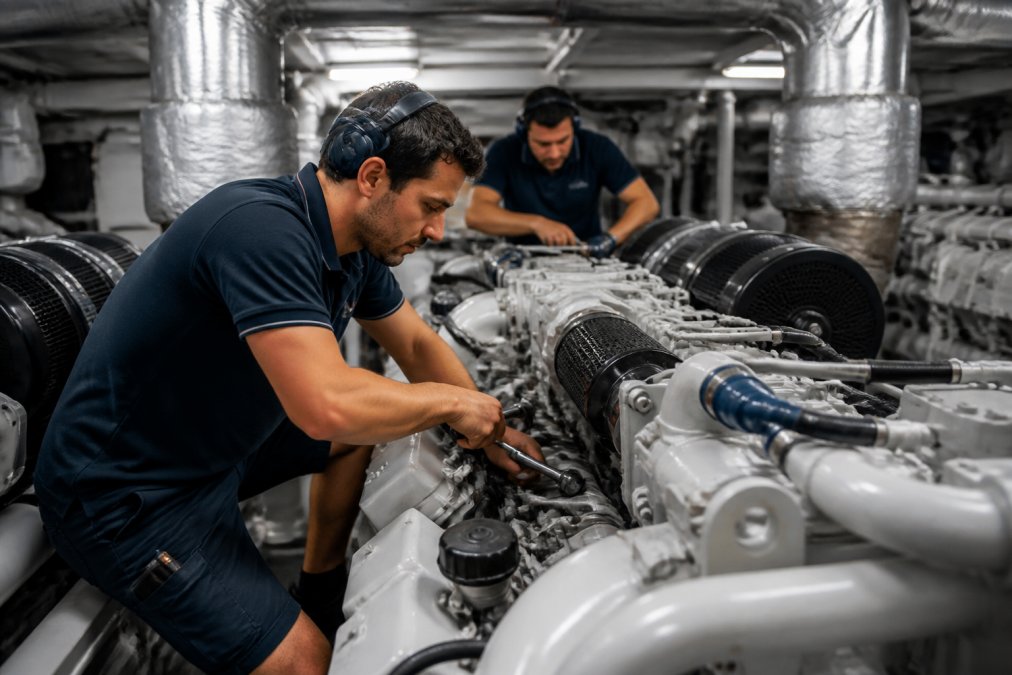
Major systems require periodic overhauls representing significant capital expenses. Engine overhauls typically cost €200,000-500,000+ per engine. Generator servicing costs €20,000-50,000 annually with major overhauls at €100,000-300,000+. Navigation system upgrades can cost €300,000-800,000. Hull and structural maintenance costs €150,000-400,000 depending on vessel size and condition.
A professional management company maintains a multi-year maintenance plan, scheduling major work during periods when the vessel is not in use and coordinating with your operational calendar.
Tax, VAT, and Legal Implications of Yacht Ownership
Yacht ownership involves complex tax and legal considerations that vary dramatically by jurisdiction and personal circumstances. This is where many owners make expensive mistakes by failing to understand their obligations before purchase.
Import Duties and Value-Added Tax
When importing a yacht, import duties and value-added tax apply based on the vessel’s assessed value and classification. The rate depends on whether the yacht is registered for private use or commercial charter operations. Vessels registered for charter may qualify for VAT exemptions or deferrals under certain conditions, while privately owned yachts typically face full VAT liability at the point of import.
Beneficial ownership reporting is mandatory. Yacht owners must declare ownership to tax authorities and maintain detailed records of the vessel’s acquisition cost, improvements, and current valuation. Some jurisdictions impose annual wealth taxes on maritime assets above specified thresholds.
Maritime Labor Conventions and Crew Employment
Crew employment is heavily regulated under international maritime labor standards. Any crew member aboard your vessel must be employed according to formal maritime labor agreements specifying minimum monthly wages, maximum working hours (typically 70 hours per week averaged over a reference period), mandatory rest periods, and safety training certifications.
Crew members must hold valid certifications appropriate to their role. Employing uncertified or undocumented crew creates serious liability, including potential vessel detention, fines, and personal legal exposure. Your management company or broker should verify all crew credentials before employment.
Payroll and employment records must be maintained for inspection by maritime authorities. Non-compliance can result in vessel detention and substantial penalties.
Registration Flag and Jurisdictional Considerations
The flag under which you register your yacht determines which maritime laws govern your vessel and which tax regime applies. Most superyachts operating internationally are registered under flags of convenience, jurisdictions like Malta or Cyprus, that offer favorable regulatory treatment and tax efficiency. Registration choice affects operational requirements, environmental compliance standards, and crew certification requirements.
Your broker should guide you toward registration options aligned with your intended operating regions and tax objectives.
Charter Income and Commercial Operations
If you intend to charter your yacht, charter income is taxable and must be reported to tax authorities. The tax treatment depends on whether you’re operating as a commercial charter business or conducting occasional private charters. Professional management companies handle this reporting and ensure compliance with charter-related tax obligations.
Professional Guidance is Essential
The cost of proper legal and tax planning, typically involving a maritime lawyer and tax advisor familiar with superyacht ownership, is far less than penalties for non-compliance. A qualified maritime lawyer can structure your ownership to minimize tax exposure while ensuring full regulatory compliance. Many owners discover too late that they’ve incurred unexpected tax liabilities or failed to meet crew employment obligations. Professional guidance at the acquisition stage prevents these costly mistakes.
Selling Your Yacht: Maximizing Returns Through Strategic Brokerage
Selling a yacht requires a completely different strategy than buying one. The market for used yachts is highly specialized, and pricing requires understanding depreciation patterns, maintenance history, market demand, and comparable recent sales.
A strategic broker positions your vessel effectively in the market through professional photography and videography, detailed specification documentation, maintenance records compilation, and targeted marketing to qualified buyers. The goal isn’t just finding a buyer, it’s finding the right buyer willing to pay fair market value.
Yacht values depreciate over time, with the steepest decline in the first few years of ownership. However, well-maintained vessels with strong service histories and desirable features hold value better than neglected ones. A broker analyzes your vessel’s market position and recommends optimal pricing and marketing strategies. The sale process mirrors acquisition in reverse, with your broker managing surveys, inspections, negotiations, and closing documentation.
Why Confidentiality and Trust Matter in Superyacht Transactions
Superyacht transactions often involve highly sensitive circumstances. Buyers may need complete discretion for privacy, security, or business reasons. Sellers sometimes require confidentiality to avoid market speculation or unwanted attention.
Professional brokers understand the confidentiality requirements of high-net-worth transactions. They maintain strict privacy protocols, limit information sharing to qualified parties only, and never publicly disclose client identities without explicit permission. Trust becomes the foundation of the relationship. You’re entrusting your broker with information about your finances, intended use, and timeline. A reputable broker protects this information and uses it only to serve your interests.
The best brokers operate from a long-term perspective, recognizing that a single transaction is the beginning of an ongoing relationship. This alignment of incentives, where the broker’s success depends on your satisfaction, creates the trust foundation necessary for complex maritime transactions.
Navigating superyacht acquisition requires expert guidance that balances financial acumen, legal knowledge, and deep market understanding. The complexity of yacht ownership, from initial valuation through ongoing management and eventual resale, demands partnership with brokers who prioritize your interests over transaction volume. Palm Lifestyle brings together comprehensive brokerage services, strategic market positioning, and unwavering confidentiality to guide clients through every phase of yacht ownership. Whether you’re acquiring your first superyacht, optimizing your current fleet, or planning a strategic sale, professional guidance transforms what could be a costly, frustrating process into a seamless maritime experience. Reach out to discuss your yachting objectives and discover how our team can support your vision.
Frequently Asked Questions
What does a professional yacht broker do, and why is their role essential in yacht acquisition?
A professional yacht broker acts as your intermediary throughout the entire acquisition process, handling market analysis, vessel inspection coordination, valuation assessment, and negotiation on your behalf. They maintain confidentiality, manage legal documentation, coordinate financing, and ensure compliance with maritime law. Their expertise in yacht specifications, market trends, and regional regulations saves you months of research and protects you from costly mistakes. Brokers also provide after-sales support including yacht management service referrals and crew placement assistance.
How does the yacht registration process work, and what documentation do I need?
The yacht registration process varies by flag state and local maritime authority requirements. Your broker coordinates with relevant authorities to register your vessel under the chosen flag, handling all documentation including proof of ownership, vessel specifications, safety certificates, and insurance verification. In the region, registration typically involves maritime authority approval, hull identification number verification, and compliance with international maritime conventions. Your broker ensures all paperwork meets current standards and manages the timeline so registration is completed before you take delivery of the vessel.
What should I expect from a yacht survey and inspection before purchase?
A comprehensive yacht survey and inspection is your primary protection against hidden defects. A certified surveyor examines the hull, engine systems, electrical systems, plumbing, navigation equipment, and structural integrity. The survey report details the vessel's condition, identifies any repairs needed, and estimates their cost. This information becomes leverage in price negotiations and helps you budget for immediate maintenance. Professional brokers coordinate independent surveys rather than relying on seller-provided inspections, ensuring objectivity and protecting your investment.
Can a brokerage help me generate revenue from my yacht if I'm not using it full-time?
Yes. Many brokers offer yacht charter services that allow owners to place their vessels on the charter market when not in personal use. This generates income that offsets operational costs and can provide substantial returns during peak seasons. Your broker manages all charter logistics, handles client vetting for safety and discretion, arranges crew and provisioning, and handles insurance coordination. Charter revenue typically covers 30-50% of annual yacht management costs, depending on the vessel type, location, and charter frequency.