
Table of Contents
- Why Mediterranean Yacht Charter Destinations Stand Out
- French Riviera and Monaco: Glamour and Exclusivity
- Italian Riviera and Amalfi Coast: Timeless Coastal Beauty
- Greek Islands and Aegean Sea: Island Hopping at Its Best
- Croatia and the Dalmatian Coast: Hidden Gems Beyond the Crowds
- Best Time to Charter a Yacht in the Mediterranean
- Western vs Eastern Mediterranean Yacht Charter: Choosing Your Route
- Crafting Your Luxury Yacht Charter Itinerary
Last Updated: August 13, 2026
Why Mediterranean Yacht Charter Destinations Stand Out
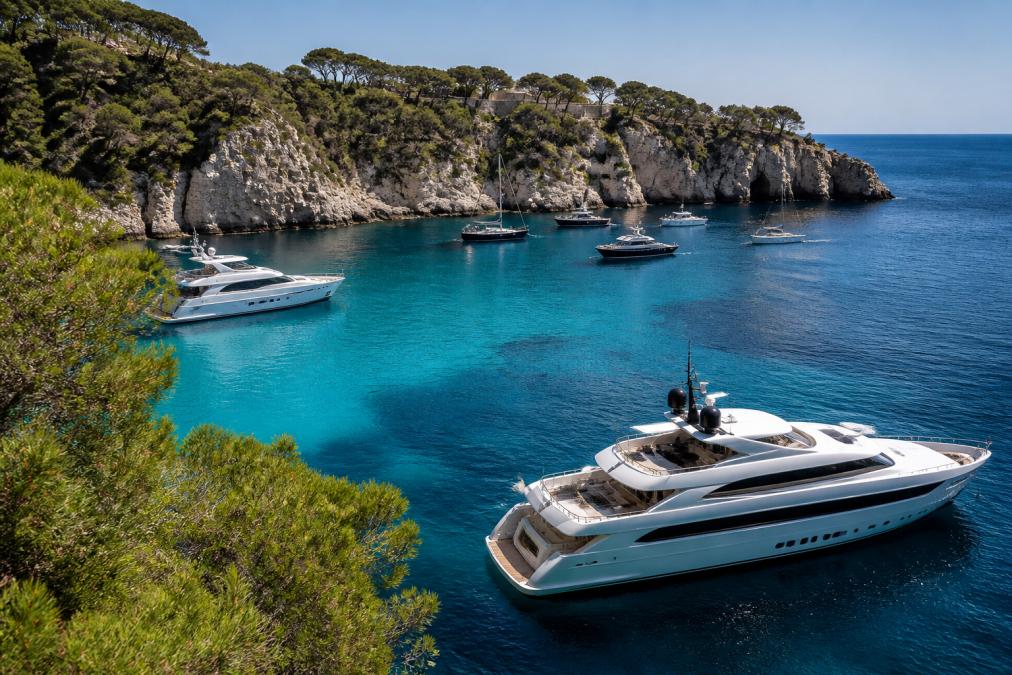
The Mediterranean remains the world’s most sought-after yachting playground. For discerning travelers and business leaders, the region offers an unmatched combination of cultural depth, natural beauty, and mature infrastructure. Ancient ruins sit alongside pristine anchorages, Michelin-starred restaurants overlook hidden coves, and centuries of maritime tradition inform every port’s character.
At Palm Lifestyle, we’ve curated thousands of bespoke Mediterranean yacht charter itineraries for clients. What sets this region apart isn’t just the destinations, it’s the layered experience. You’re navigating a living museum of European culture, architecture, and cuisine. Marinas are world-class, crew expertise is unparalleled, and the sailing season stretches longer than most alternatives. This guide walks you through the finest Mediterranean yacht charter destinations and how to structure an itinerary that matches your specific needs.
French Riviera and Monaco: Glamour and Exclusivity
The French Riviera defines luxury yachting. Cannes, Saint-Tropez, and Monaco form the golden triangle where superyachts cluster and exclusive shore experiences define the season. Within 50 nautical miles, you access world-class dining, high-end shopping, and a social calendar that attracts global wealth. The anchorages are crowded during peak months, but that density creates an ecosystem of premium services and crew familiar with the region’s exacting standards.
Monaco represents the apex of Mediterranean glamour. Port Hercules accommodates some of the world’s largest superyachts, and the summer social season, anchored by the Monaco Grand Prix and yacht shows, drives demand. Chartering here means access to exclusive clubs and events closed to the general public. Smart charterers book for June or September when weather remains perfect but crowds thin.
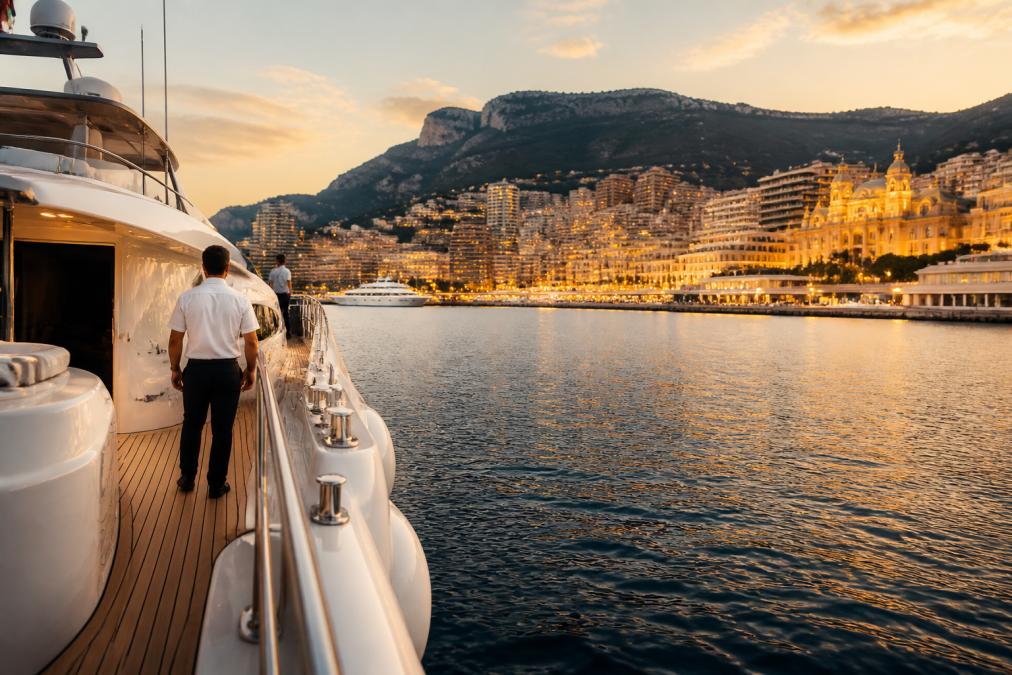
Chartering here requires specific expertise. Crew familiarity with Riviera protocols, dress codes, and dining customs separates seamless experiences from awkward ones. Palm Lifestyle’s Mediterranean specialists understand these nuances intimately and have built relationships with the region’s most respected captains and provisioning teams.
The berths in Cannes and Saint-Tropez fill months in advance. If your dates are flexible, shifting your charter by two weeks can mean the difference between a premium superyacht and a mid-range alternative. The Advanced Provisioning Allowance (APA) typically runs 30% of the charter fee here, reflecting the region’s dining and service expectations.
Book French Riviera charters for June or early September. You’ll access the same yachts and experiences as July-August clients but with superior availability and fewer crowds at anchorages.
Italian Riviera and Amalfi Coast: Timeless Coastal Beauty
Italy’s coastline offers a different character than the Riviera, less about social hierarchy, more about authentic Mediterranean living. The Italian Riviera and Amalfi Coast deliver dramatic geography: steep cliffs, terraced villages, and anchorages that feel genuinely remote. Portofino, Portovenere, and the Cinque Terre region attract yachtsmen seeking beauty over spectacle.
The Amalfi Coast extends this appeal southward. Positano’s pastel buildings cascade to the water’s edge, and Ravello sits perched 365 meters above the sea. Unlike the Riviera’s yacht-centric culture, the Amalfi region rewards slow exploration. Charter durations here often extend beyond a week, as clients discover that five days barely scratches the surface.
Italian waters present operational advantages. Marina infrastructure rivals the Riviera’s, but pricing remains lower. Crew expertise here prioritizes seamanship and local knowledge. The region’s dining culture is unmatched; provisioning teams can source Michelin-starred catering, but the real joy comes from discovering family-run restaurants in hillside villages accessible only by sea or steep climbs.
Best time to visit: May through September, with May and September offering warm water, reliable winds, and manageable crowds. The APA typically runs 20-25% of the charter fee.
Greek Islands and Aegean Sea: Island Hopping at Its Best
The Greek islands define Mediterranean island hopping. The Aegean’s geography, hundreds of islands scattered across relatively compact waters, creates natural itineraries where each day brings a new anchorage. Mykonos and Santorini anchor the social calendar, but the real magic lies in lesser-known islands: Paros, Naxos, Antiparos, and the lesser Cyclades offer authentic Greek culture without crowds.
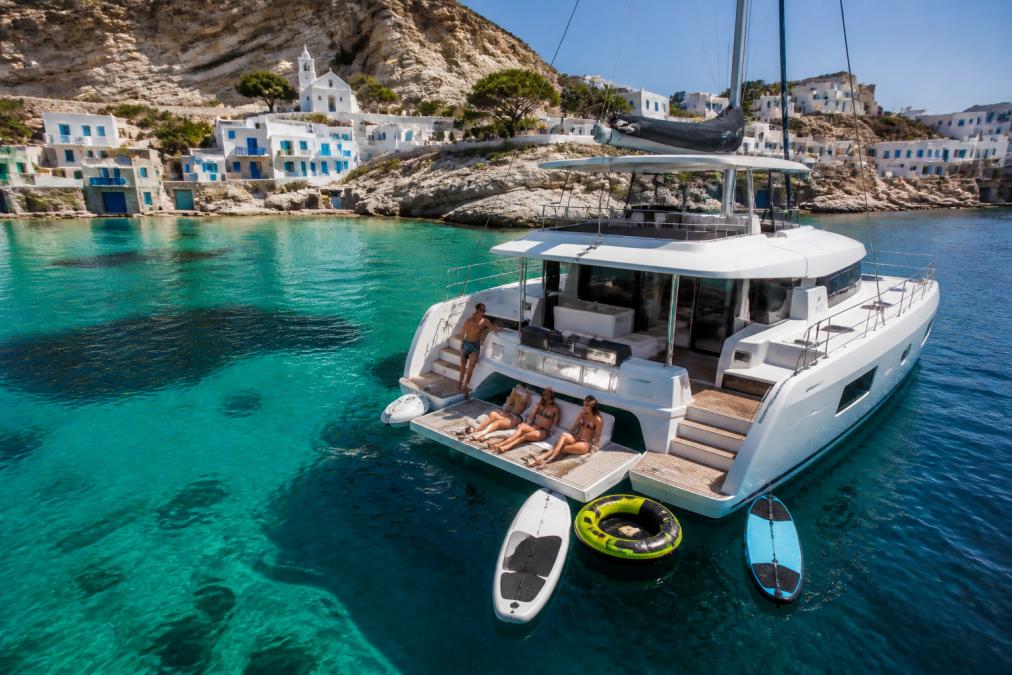
The Aegean’s wind patterns are predictable and strong, consistent northerly breezes drive excellent sailing from June through September. Distances between islands are short, typically 15-30 nautical miles, making daily passages manageable and allowing flexible itinerary changes. If an anchorage captivates you, stay an extra day without derailing your schedule.
Chartering here suits varied preferences. Sailing enthusiasts appreciate the consistent winds and technical challenges. Families thrive on short passages and protected anchorages. Business groups find the region’s mix of relaxation and cultural engagement ideal for team experiences. Crew expertise in Greek waters is exceptional; many captains possess intimate knowledge of the best anchorages and hidden restaurants.
Pricing here remains reasonable compared to the Riviera and Amalfi. Charter rates are lower, and the APA typically runs 18-22% of the fee.
Greek island charters excel for clients seeking active sailing, cultural immersion, and flexibility. The Aegean’s short distances and predictable winds make it ideal for first-time charterers or those prioritizing spontaneity.
Croatia and the Dalmatian Coast: Hidden Gems Beyond the Crowds
Croatia’s Adriatic coastline remains underrated among Mediterranean destinations. While the French Riviera and Greek islands dominate luxury marketing, the Dalmatian coast delivers comparable beauty at significantly lower costs. Dubrovnik, Hvar, and Vis anchor the region, but the real appeal lies in lesser-known islands: Mljet, Lopud, and the Pakleni Islands offer dramatic limestone cliffs and anchorages where you’re unlikely to see another yacht.
The Adriatic’s geography differs from the Aegean. Islands are larger and fewer, passages between anchorages average 20-40 nautical miles. Winds are more variable, creating a different sailing character. Spring and autumn offer exceptional conditions; summer brings predictable but sometimes light winds.
What makes Croatia compelling is authenticity. The region’s yachting culture is nascent compared to the Riviera, fewer super-yachts, less social hierarchy, more genuine local interaction. Restaurants are authentic local establishments that happen to welcome visitors. The food culture rivals Italy’s without the tourist pricing. Wine production is exceptional, many anchorages sit within walking distance of family wineries.
Infrastructure is developing rapidly. Marinas are modern and well-managed, crew expertise is growing, and provisioning services now match Western Mediterranean standards. The APA typically runs 15-18% of the charter fee. Charter rates are below comparable French Riviera yachts.
Best time: May through September, with May and September offering ideal conditions and manageable crowds.
Book Croatian charters well in advance during May-June and September. The region’s growing popularity and limited high-end yacht inventory create availability constraints during peak shoulder seasons.
Best Time to Charter a Yacht in the Mediterranean
The best time to charter depends on your priorities: sailing conditions, crowd tolerance, pricing, and regional focus. The season runs May through October, but each month presents distinct trade-offs.
May and September represent the sweet spot for most charterers. Weather is warm, water temperatures are comfortable for swimming, and winds are reliable. Crowds are manageable and pricing sits below July-August rates. These shoulder months suit clients prioritizing experience quality over social calendar participation.
June and July bring peak summer conditions. Water temperatures peak, daylight extends to nearly 15 hours, and sailing is excellent. June offers slightly better value than July; July marks the season’s busiest period with highest pricing and limited availability.
August presents a paradox. Pricing remains high and crowds are heaviest, but August delivers the most stable weather and warmest water. The month suits clients with fixed dates or those prioritizing guaranteed calm conditions.
Get in touch with us to discuss your yachting needs. →
April and October are transitional months. April offers excellent sailing, fewer crowds, and lower pricing, but water temperatures hover around 15°C. October delivers similar advantages with slightly warmer water (17-18°C), but weather becomes less predictable. Both months suit sailing-focused charterers.
November through March marks the off-season. Weather is unreliable and many marinas operate reduced services. However, pricing plummets below peak season. This period suits experienced sailors willing to accept weather risk for dramatic cost savings.
Families and first-time charterers: May or September. Experienced sailors seeking value: April or October. Social calendar participants: June-July. Cost-conscious clients: November-March (weather risk accepted).
Western vs Eastern Mediterranean Yacht Charter: Choosing Your Route
The Mediterranean divides naturally into western and eastern basins, each offering distinct experiences. Your choice shapes sailing characteristics, cultural immersion, pricing, and crew expertise.
Western Mediterranean: Established Routes and Cultural Depth
The western Mediterranean encompasses Spain, southern France, Italy, and the northern Adriatic. This region dominates luxury yachting marketing and infrastructure. Marinas are world-class, crew expertise is mature, and provisioning services are exceptional. The sailing is excellent but often crowded; anchorages in popular destinations fill quickly during peak season.
Western Mediterranean charters emphasize cultural immersion. You’re navigating centuries of European history, Roman ruins, Renaissance architecture, and medieval villages. Charter rates here are highest; expect to pay premiums compared to eastern alternatives for comparable yacht sizes.
The Tyrrhenian Sea and Balearic Islands offer exceptional sailing within the western basin. Winds are consistent, anchorages are numerous, and cultural experiences are world-class. Crew familiarity with these waters is exceptional.
Eastern Mediterranean: Emerging Destinations and Authentic Experiences
The eastern Mediterranean includes Greece, Croatia, Turkey, and Cyprus. This region offers emerging luxury infrastructure, significantly lower pricing, and a sense of discovery absent from the western basin. Crew expertise is developing but increasingly sophisticated.
Eastern Mediterranean charters emphasize authenticity. Tourism infrastructure exists but feels less commercialized than western alternatives. Local restaurants are genuine community establishments. Wine production is exceptional, and cultural experiences feel unmediated. Charter rates here are below western equivalents.
The Aegean Sea and Croatian Adriatic dominate eastern charters. Both offer exceptional sailing, abundant anchorages, and minimal crowds. Crew expertise in these waters is exceptional, with captains possessing deep local knowledge.
Eastern Mediterranean itineraries reward flexibility and spontaneity. Fewer established routes mean you’re charting your own course. If an anchorage captivates you, staying an extra day doesn’t disrupt a rigid schedule.
Choosing your route: Western Mediterranean suits clients prioritizing cultural immersion, established infrastructure, and willingness to accept crowds and premium pricing. Eastern Mediterranean suits clients seeking value, authenticity, and the satisfaction of discovering less-traveled waters.
| Comparison Factor | Western Mediterranean | Eastern Mediterranean |
|---|---|---|
| Pricing | Premium (highest rates) | Value-oriented (lower) |
| Crew Expertise | Mature and specialized | Developing but excellent locally |
| Infrastructure | World-class marinas | Modern but fewer options |
| Crowds | Heavy in peak season | Manageable in most locations |
| Sailing Conditions | Excellent, consistent | Excellent, variable by season |
| Cultural Experiences | Commercialized but deep | Authentic and unmediated |
| Best For | First-timers, cultural immersion | Returning clients, discovery |
Crafting Your Luxury Yacht Charter Itinerary
A successful Mediterranean yacht charter itinerary balances sailing, cultural experiences, relaxation, and logistics. The difference between a forgettable charter and a transformative one often comes down to itinerary design.
Start by defining your priorities. Are you sailing enthusiasts seeking challenging conditions, or do you prioritize relaxation and shore experiences? Will you host business clients requiring specific amenities, or is this a family vacation? Your answers determine which region and yacht type makes sense.
Next, assess your sailing tolerance. If you’re uncomfortable with daily passages exceeding 30 nautical miles, Greek island charters or Croatian routes suit you better than longer Italian or Spanish itineraries. If you’re experienced sailors seeking technical challenges, western Mediterranean routes reward your skills.
Consider the crew’s role. A captain familiar with your chosen region becomes invaluable, knowing the best anchorages and facilitating local connections. Crew expertise varies dramatically by region; Greek and Croatian waters feature captains with decades of local knowledge.
Build flexibility into your itinerary. Plan 70% of your route in advance; reserve 30% for spontaneous decisions. This balance prevents rigid planning while maintaining enough structure for logistics and provisioning.
Provisioning deserves specific attention. The APA typically covers crew meals, fuel, and minor expenses. However, your dining ambitions determine whether this budget suffices. If you’re planning Michelin-starred meals, coordinate with your broker in advance. If you’re comfortable with local tavernas, the standard APA works well.
Palm Lifestyle’s itinerary specialists understand these nuances. We design routes that match your sailing preferences, cultural interests, and logistical requirements. Our crew relationships ensure your captain knows the region intimately and can adapt plans as conditions evolve.
Request a detailed weather analysis for your proposed charter dates from your broker. Understanding typical wind patterns, rainfall probability, and sea conditions for your specific dates allows your captain to design passages that maximize sailing quality while minimizing discomfort.
Mediterranean yacht charter destinations offer an unparalleled combination of sailing, culture, and luxury. Whether you’re drawn to the glamour of the French Riviera, the authenticity of Croatian waters, or the island-hopping freedom of the Aegean, the region rewards thoughtful itinerary design and crew expertise. Get in touch with Palm Lifestyle to discuss your yachting vision; our Mediterranean specialists will design an itinerary that transforms your vision into reality.
Frequently Asked Questions
What is the best time of year to charter a yacht in the Mediterranean?
High season runs from May through September, with July and August offering warmest weather but also peak crowds and pricing. Shoulder seasons (April-May and September-October) provide ideal conditions: calm seas, pleasant temperatures, and fewer tourists at popular anchorages. Winter months (November-March) see reduced availability and rougher conditions, though some regions remain accessible. Your choice depends on whether you prioritize weather stability, exclusivity, or cost efficiency. Discuss your preferred travel dates with your charter broker to secure the best vessel for your timeframe.
What are the primary differences between Western and Eastern Mediterranean yacht charters?
Western Mediterranean (French Riviera, Italian coast, Spain) features established marinas, extensive provisioning infrastructure, and high-season crowds. Eastern Mediterranean (Greece, Croatia, Turkey) offers more remote anchorages, authentic island communities, and lower costs. Western routes emphasize glamorous port towns and fine dining; Eastern routes highlight hidden coves and cultural immersion. Both regions provide excellent sailing conditions, but Western destinations suit those seeking luxury services and recognizable landmarks, while Eastern areas appeal to explorers seeking quieter experiences and bespoke adventures away from tourist hotspots.
Do I need a specific license to charter a yacht in the Mediterranean?
Bareboat charter (self-skippered) typically requires an International Certificate of Competence or equivalent sailing qualification. Skippered or crewed charters require no license from you, the professional captain and crew manage navigation and operations. Many charter companies offer skippered options specifically for clients without certifications. Regulations vary slightly by country, but most Mediterranean nations recognize international boating credentials. Your charter broker will confirm exact requirements based on your vessel choice and desired level of involvement in sailing operations.
How do I choose the right yacht size for my Mediterranean itinerary?
Consider your group size, sailing experience, and planned activities. A yacht approximately 10-14 meters in length suits 4-6 people and offers good handling in varying sea conditions. Catamarans (approximately 12-15 meters) provide spacious cabins and stability, ideal for families or mixed-experience groups. Superyachts (18+ meters) suit larger parties seeking full crew services and luxury amenities. Evaluate your itinerary's anchorage infrastructure, smaller yachts access remote coves, while larger vessels need established marinas. Discuss your specific requirements with your broker to match vessel type, size, and crew configuration to your journey.