
Table of Contents
- Understanding the Base Charter Fee and How It’s Calculated
- Yacht Charter APA Explained: What You’re Actually Paying For
- VAT, Taxes, and Regional Cost Variations
- Average Crew Gratuity for Yacht Charter and What It Covers
- Yacht Charter Fuel Consumption Calculator and Operating Costs
- Bareboat vs. Skippered vs. Fully Crewed: Cost Structure Differences
- Hidden Costs and How to Negotiate Your Final Charter Bill
- Conclusion
Last Updated: August 12, 2026
Understanding private yacht charter costs requires breaking down multiple components that extend far beyond the base rate. What most prospective charterers encounter is a layered pricing model where the headline figure represents only the foundation of total expenditure. This guide from Palm Lifestyle covers the complete yacht charter cost breakdown, helping you anticipate expenses and negotiate transparently with brokers.
Operating a luxury vessel involves fuel, crew, provisioning, port fees, insurance, and regulatory compliance. Each element scales with yacht size, location, season, and service level. By mapping these costs systematically, you’ll understand where your money flows and identify areas where negotiation is possible.
Understanding the Base Charter Fee and How It’s Calculated
The base charter rate is the headline price brokers advertise, but it’s only the starting point in your private yacht charter cost breakdown. This fee covers the vessel itself, its crew (for crewed charters), basic insurance, and standard provisioning for the duration.
Base rates vary dramatically by vessel size, age, and location. A 40-metre motor yacht in the Mediterranean commands a different price than a 60-metre superyacht in the same waters. Brokers establish rates using comparable vessel data, seasonal demand, and operational history. A newly refitted vessel may command a 15-20% premium over an older comparable model.
The base fee assumes standard itineraries and does not include fuel consumption beyond typical cruising patterns, extended crew overtime, or specialized requests. Ask brokers explicitly what’s included: crew meals, water sports equipment, tenders, communication systems, and entertainment. Charter contracts typically reference MYBA terms (Mediterranean Yacht Brokers Association), which standardize what’s included in base rates across the industry.
Yacht Charter APA Explained: What You’re Actually Paying For
The Advance Provisioning Allowance (APA) is a separate payment calculated as a percentage of the base charter rate, typically ranging between 30-50% depending on yacht size and itinerary complexity. This figure funds all variable operating expenses during your charter.
What APA covers:
- Fuel consumption for the vessel’s engines
- Crew gratuities and additional crew expenses
- Port fees, berthing charges, and mooring costs
- Provisioning (food, beverages, supplies)
- Water, ice, and consumables
- Local taxes and permits
- Communication and entertainment subscriptions
The APA is not fixed, you’ll receive an invoice after the charter concludes showing actual expenses. If you spend less, the broker refunds the difference. If expenses exceed the estimate, you pay the overage.
Fuel consumption alone can swing your final bill significantly. A yacht cruising at high speed in rough seas burns substantially more fuel than one maintaining moderate speeds in calm conditions. Request a detailed APA breakdown before committing, asking specifically how the broker calculated the fuel estimate and what assumptions they made about daily cruising distance.
Post-charter reconciliation typically takes 2-4 weeks. Review the itemized invoice carefully, cross-referencing fuel quantities against the yacht’s specifications and your actual cruising hours. Port fees should match official tariffs from each location.

VAT, Taxes, and Regional Cost Variations
Value Added Tax (VAT) applies to yacht charters across most jurisdictions, though rates and applicability vary significantly by region. In many Mediterranean destinations, VAT ranges from 17-23% and typically applies to the base charter fee plus APA. However, some jurisdictions offer exemptions or reduced rates for international charters, particularly when the vessel operates outside territorial waters for the majority of the charter period.
Regional variations create substantial cost differences for identical vessels. Southern European ports (Spain, Italy, Greece) typically charge 19-23% VAT, while some Greek islands offer reduced VAT zones for qualifying international charters. Croatian waters have competitive VAT structures attracting charterers.
The charterer’s residency, the vessel’s flag state, and where the charter begins and ends all influence tax obligations. Port fees and local taxes add another layer. Each port charges berthing fees based on vessel length, duration, and season. Some ports include utilities in berthing fees; others charge separately.
Request a detailed tax breakdown from your broker before finalizing your charter. Ask specifically which taxes are included in the quoted APA and which may be added. Some brokers quote "plus VAT" while others quote inclusive figures, this distinction matters significantly.
Average Crew Gratuity for Yacht Charter and What It Covers
Crew gratuity represents one of the most misunderstood components of yacht charter expenses. Average crew gratuity for yacht charter typically ranges from 15-20% of the base charter fee, though this varies by vessel size, crew experience level, and charter duration.
The gratuity compensates crew members for personalized service beyond their standard employment. Yacht crew often provide highly customized experiences, simultaneously serving as hospitality professionals, safety personnel, and lifestyle managers.
Fully Crewed Charters apply gratuity to all crew members. Skippered Charters include only the captain and any additional crew. Bareboat Charters involve no crew gratuity, as you’re operating the vessel yourself.
The gratuity calculation typically uses this formula: (Base Charter Rate × Gratuity Percentage) ÷ Number of Crew Members. Clarify whether your quoted APA includes crew gratuity or if it’s an additional expense, as this distinction affects your total budget significantly.
Cultural considerations influence gratuity expectations. European crew typically expect gratuities as standard practice; some international crew may have different norms. Discussing expectations with your broker beforehand prevents awkwardness at charter conclusion.
Yacht Charter Fuel Consumption Calculator and Operating Costs
Fuel represents the single largest variable in your yacht charter cost breakdown, and understanding consumption patterns helps you control costs and anticipate final bills.
Fuel consumption scales with engine power and cruising speed. A 40-metre vessel at 10 knots burns substantially less fuel than the same vessel at 15 knots. The relationship isn’t linear, fuel consumption increases exponentially with speed increases.
Fuel Consumption Variables:
- Engine type and horsepower (diesel engines are most common)
- Hull design and condition
- Sea state and weather conditions
- Cruising speed (primary driver of consumption)
- Generator and auxiliary system usage
Most brokers calculate estimates assuming moderate cruising speeds (10-12 knots) in typical sea conditions. High-speed cruising can increase consumption by 40-60%. Request the yacht’s fuel consumption specifications from your broker and cross-reference these against your planned itinerary.
Fuel prices fluctuate by location and season. Mediterranean fuel costs vary significantly between ports. Fuel purchased in major hubs (Barcelona, Monaco, Athens) often costs less than fuel in remote islands. Your captain can optimize fuel costs by strategic refueling at competitive ports.
Generator usage, water maker operation, and air conditioning all consume fuel indirectly through electrical generation. Discuss power management with your captain to balance comfort and fuel efficiency.
Bareboat vs. Skippered vs. Fully Crewed: Cost Structure Differences
The charter model you select fundamentally restructures your cost breakdown. Bareboat, skippered, and fully crewed options represent distinct value propositions with different expense profiles.
Get in touch with us to discuss your yachting needs. →
Bareboat Charters eliminate crew costs entirely. You operate the vessel yourself (or hire your own captain separately). This model suits experienced sailors who want maximum control and cost efficiency. Bareboat rates run 30-40% below comparable crewed options, but you’re responsible for navigation, safety, and vessel operation. Most brokers require proof of sailing competency.
Skippered Charters include a professional captain but no additional crew. The captain handles navigation, safety, and vessel systems while you manage provisioning and daily activities. This hybrid model costs 15-25% less than fully crewed options while providing professional expertise.
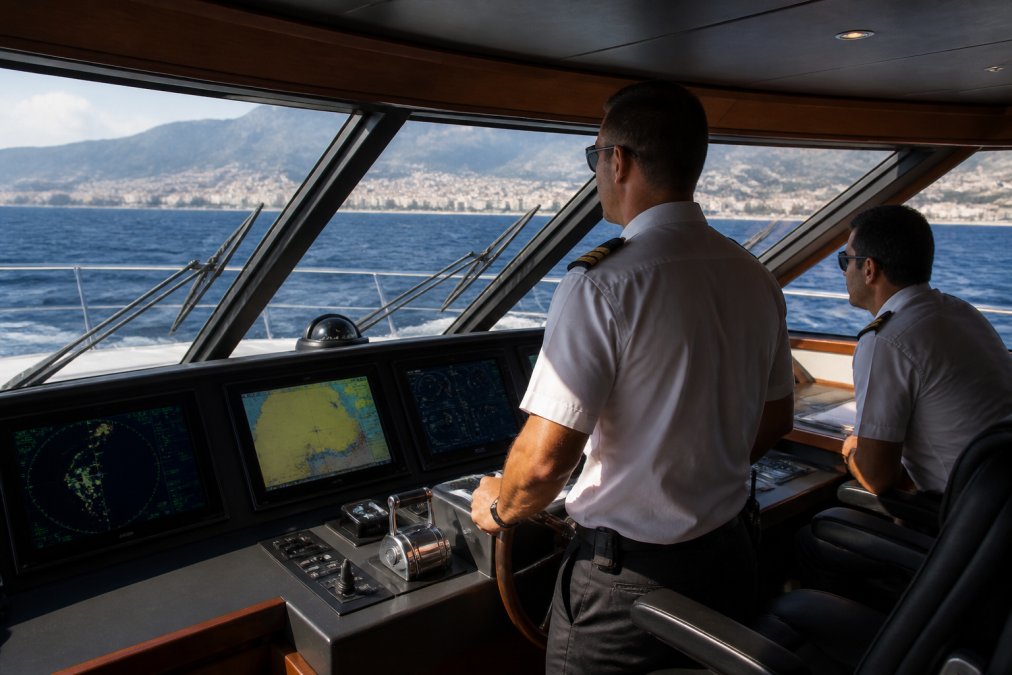
Fully Crewed Charters include captain, chef, stewards, engineers, and deck crew depending on vessel size. This premium model handles every operational and hospitality detail. Crew salaries and expenses represent the largest cost component, typically 40-50% of your total charter expense. However, the personalized service, gourmet meals, and seamless itinerary management justify the premium for many charterers.
The choice depends on your priorities. Budget-conscious sailors with experience choose bareboat. Business groups seeking professional management with some operational involvement choose skippered. Ultra-high-net-worth individuals prioritizing seamless experiences choose fully crewed.
Palm Lifestyle specializes in matching clients with the optimal charter model for their specific needs. Whether you’re seeking bareboat independence or fully crewed luxury, our team curates experiences aligned with your preferences and budget constraints.
Hidden Costs and How to Negotiate Your Final Charter Bill
Beyond base rates, APA, and gratuities, numerous smaller expenses accumulate into surprising final bills. Identifying these hidden costs upfront prevents invoice shock and creates negotiation opportunities.
Commonly Overlooked Expenses:
Cruising Permits and Documentation: Some destinations require cruising permits, fishing licenses, or environmental fees. Turkish waters require blue cruise permits. Greek islands charge entry fees. These costs vary by destination and season.
Specialized Equipment Rentals: Water sports equipment (jet skis, diving gear, paddleboards) often incurs rental fees beyond standard provisioning. Helicopter transfers or submarine excursions carry premium pricing.
Communication and Streaming Services: Satellite internet and premium communication packages often aren’t included in base rates and can represent significant costs.
Special Requests and Customization: Hiring private chefs for specific meals, arranging spa services onboard, or coordinating special events incurs service charges.
Currency Exchange and Payment Processing: If your charter is quoted in one currency but you’re paying from another jurisdiction, exchange rate fluctuations and processing fees apply.
Negotiation Strategies:
Start negotiations with a detailed cost breakdown request. Ask brokers to itemize every component. Transparency reveals negotiation opportunities.
Bundle requests strategically. Rather than negotiating individual components, propose comprehensive packages. "If we extend the charter three days and include a private chef for two dinners, what’s your best rate?" often yields better results than isolated negotiations.
Seasonal timing influences pricing. Off-season charters command lower rates than peak summer. Booking during shoulder seasons balances weather quality with cost efficiency.
Charter duration affects per-day rates. Weekly charters typically cost less per day than three-day bookings. Monthly charters unlock additional discounts.
Discuss APA reconciliation policies explicitly. Some brokers offer APA caps, where you pay only up to the estimated amount, with the broker absorbing overages. This protects you from fuel price spikes or unexpected expenses.
Request references from recent charterers. Speaking with previous clients reveals whether brokers accurately estimate costs and handle reconciliation fairly.
Compare quotes from multiple brokers for identical vessels and itineraries. Competition often drives price concessions, particularly for flexible dates or extended bookings. However, prioritize broker reputation and transparency over marginal price differences.
Navigating yacht charter expenses requires understanding multiple cost layers and asking detailed questions before commitment. The brokers who provide transparent breakdowns, detailed APA methodologies, and clear reconciliation policies protect your interests and prevent invoice surprises. Palm Lifestyle’s approach emphasizes upfront clarity on all costs, from base rates through final reconciliation, ensuring you understand exactly where your charter investment flows. Reach out to discuss your specific requirements and receive a comprehensive cost breakdown tailored to your yacht charter vision.
Frequently Asked Questions
What is the standard Advanced Provisioning Allowance (APA) for a yacht charter?
The APA is a percentage of the base charter rate, typically ranging from 30-50%, held as a security deposit to cover fuel, provisioning, port fees, and crew expenses. You pay it upfront, and any unused balance is reconciled and refunded after your charter concludes. The exact percentage depends on the yacht's size, fuel consumption, itinerary, and regional costs. Your charter contract specifies the APA percentage, ensuring transparency before you commit.
Are crew gratuities included in the base charter price for yacht charter?
No, crew gratuities are not included in the base charter rate. They are customary and typically calculated as 10-20% of the base charter fee, depending on service quality and your satisfaction. Some charterers add gratuity to the APA reconciliation; others handle it separately. Always clarify gratuity expectations in your charter contract to avoid confusion at the end of your voyage.
How does fuel consumption impact my total yacht charter cost?
Fuel is one of the largest variable costs in yacht chartering, included in your APA. Consumption depends on yacht size, engine type, cruising speed, and distance travelled. Larger yachts and faster cruising speeds increase fuel burn significantly. Your charter broker can provide a fuel consumption calculator based on your planned itinerary, helping you estimate this cost before booking. High-speed cruising can double fuel costs compared to efficient, slower passages.
What's the difference between 'plus expenses' and 'all-inclusive' yacht charter pricing?
A 'plus expenses' charter means you pay the base rate plus the APA, VAT, crew gratuity, and any special requests separately. An 'all-inclusive' charter bundles most costs into one price, though fuel and port fees may still vary. All-inclusive charters simplify budgeting but often cost more upfront. Plus-expenses charters offer flexibility and transparency, with reconciliation after your trip. Your choice depends on whether you prefer predictability or cost control.