
Table of Contents
- Start With the Pre-Purchase Yacht Inspection Checklist
- How a Yacht Sea Trial Procedure Confirms What Paperwork Cannot
- Yacht Registration and Legal Documentation to Verify Before You Pay
- Running Costs, Dockage and Insurance to Budget For
- Digital and Smart Systems Buyers Now Overlook
- Rigging, Sails and Safety Equipment by Cruising Region
- What Happens After You Buy: Transition, Crew and Charter Revenue
- Frequently Asked Questions
Last Updated: September 22, 2026
Start With the Pre-Purchase Yacht Inspection Checklist
Knowing what to check before buying a yacht starts with one rule: never trust the listing photos. A proper pre-purchase inspection covers the hull, engines, electrical systems, and paperwork before any money moves.
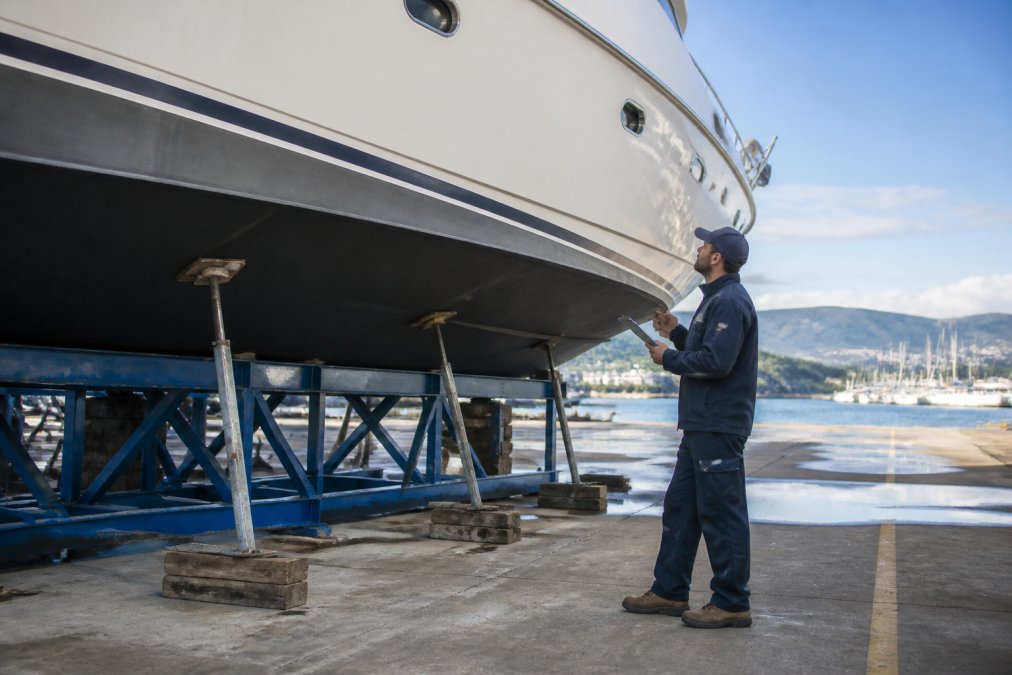
Here’s the core checklist every serious buyer should work through:
- Hull and deck for cracks, blisters, and soft spots
- Engine hours and full service records
- Electrical wiring and navigation electronics
- Rigging, sails, and safety gear
- Registration papers and ownership history
Hull, Deck and Structural Checks
A pre-purchase yacht inspection checklist begins with the hull, because structural damage is the most expensive problem to fix. Small gelcoat blisters look harmless but often signal moisture trapped inside the laminate.
Engine, Electrical and Navigation Systems
Engine hours tell you more than the year of the boat. A low-hour engine that sat unused can be in worse shape than a high-hour one that was serviced on schedule.
Ask for the full service history, then check:
- Propulsion system condition and last overhaul
- Seized pumps and corroded fittings
- Electrical wiring for DIY repairs
- Navigation systems and autopilot function
The Documentation and Compliance Layer Most Buyers Skip
Mechanicals get the attention; paperwork sinks deals. Before you commit, assemble a document pack and verify each item against the physical vessel:
- Builder’s certificate and certificate of origin
- Current registration certificate and any previous ones
- Proof of VAT status, especially for vessels that have cruised between the Mediterranean and other regions
- Engine and generator warranty documents, transferable or not
- Service logbooks signed by the yards that did the work
- Radio licence and any equipment approvals for the cruising area
Digital and Smart Systems Vetting
Modern yachts run on software as much as engines, and this is the angle most buyers miss entirely. Treat the tech stack as a second survey.
Ask about:
- Navigation software update cycles and whether the vendor still supports your chart version
- Remote monitoring for engine, bilge, and shore power alerts
- Connectivity options, from 4G/5G routers to satellite terminals, and their subscription terms
- Cybersecurity on networked systems, including default passwords and remote access ports
- Integration between autopilot, chartplotter, radar, and AIS, and whether they share a single data backbone
Environmental and Sustainability Audit
A growing share of buyers now ask questions that older checklists ignore. Add these to your inspection:
- Fuel efficiency at cruising speed versus the brochure figure
- Solar and battery capacity, and whether the house bank can run overnight without the generator
- Greywater and blackwater management systems and their compliance with the rules of the waters you plan to cruise
- Engine emissions tier and any exhaust treatment fitted
- Antifouling type and its environmental profile
Ask for the last rigging inspection date and who performed it. A recent report from a qualified rigger tells you more than a fresh coat of varnish ever will.
Psychological Readiness: Chartering Versus Owning
The checklist that no surveyor hands you is the one about yourself. Ownership brings fixed costs, maintenance decisions, and crew questions that chartering hides behind a single invoice.
Ask honestly:
- How many weeks a year will you actually use the vessel?
- Are you ready to make maintenance calls, or do you want someone else to?
- Does the lifestyle match your expectations, or are you buying the brochure?
How a Yacht Sea Trial Procedure Confirms What Paperwork Cannot
A yacht sea trial procedure is the only way to test a vessel under real load. Paperwork shows history; a sea trial shows how the boat behaves right now.
Yacht Registration and Legal Documentation to Verify Before You Pay
Yacht registration and legal documentation decide whether the sale is clean. A missing paper trail can turn a dream purchase into a legal dispute.
Verify these before you transfer funds:
- Proof of ownership and clear title
- Vessel registration matching the hull number
- Outstanding liens or loans on the vessel
- VAT and tax liability status
- Warranty terms if the yacht is new
Running Costs, Dockage and Insurance to Budget For
The purchase price is only the start. Annual running costs, dockage, and marine insurance add up fast, and most buyers underestimate them. Annual running costs, dockage, and marine insurance add up fast, and most buyers underestimate them.
Plan for these recurring costs:
- Berthing and dockage fees, which vary widely by region and berth size
- Crew wages, training, and rotation travel
- Fuel and routine servicing, including engine and generator hours
- Marine insurance premiums, which scale with hull value and cruising area
- Yacht valuation updates for insurance
- Antifouling, haul-out, and winterisation or summer lay-up
- Registration and flag-state renewal fees
How to Build a Realistic Annual Budget
Break the budget into fixed and variable lines. Fixed costs are the ones you pay whether or not you leave the berth: dockage, insurance, crew retainers, registration, and any loan repayments. Variable costs follow usage: fuel, provisioning, transient berthing, and wear-and-tear parts.
Dockage and Storage: What Drives the Bill
Berthing fees are rarely a single number. They usually combine a base rate tied to length overall, plus charges for electricity, water, and sometimes a liveaboard supplement. Seasonal contracts in popular Mediterranean marinas can be significantly cheaper per month than short-stay rates, but they commit you to a location.
Ask the marina directly about:
- Whether the quoted rate includes VAT and utilities
- Any surcharge for vessels above a certain length
- Whether a berth is owned, leased, or sublet, and what happens on transfer
- Waiting lists and deposit terms
Marine Insurance and Valuation
Insurers look at hull value, cruising area, crew qualifications, and the vessel’s survey history. A professional valuation matters because insurers may refuse a claim if the insured value does not reflect the real market value, leaving you exposed.
Expect the insurer to ask for:
- A recent survey report, often required for vessels above a certain age
- Proof of ownership and clear title
- Details of any crew and their certifications
- Your intended cruising area and whether it changes seasonally
Skipping a professional valuation to save time often backfires. Insurers may refuse a claim if the insured value doesn’t reflect the real market value, leaving you exposed.
Maintenance Schedule and Reserve Fund
Build a maintenance schedule before you buy, not after. Map the major service intervals for engines, generators, watermakers, and rigging, and set aside a reserve fund for the unexpected. Owners commonly hold a contingency equal to a few months of running costs.
Tax and Legal Considerations
Tax treatment depends on where the vessel is registered, where it is used, and how long it stays in any one jurisdiction. VAT status, import duties, and local cruising permits can all affect your total cost of ownership. Confirm the position with a qualified adviser before you commit, and keep the documentation with the vessel’s papers.
Digital and Smart Systems Buyers Now Overlook
Modern yachts run on software as much as engines. Smart integration is the angle most buyers miss entirely.
- Navigation software update cycles
- Remote monitoring for engine and bilge alerts
- Connectivity and satellite options
- Cybersecurity on networked systems
Rigging, Sails and Safety Equipment by Cruising Region
Rigging and sails take a beating, and their condition depends on where the yacht has cruised. A vessel used in heavy weather needs a closer look than one kept in calm waters.
What Happens After You Buy: Transition, Crew and Charter Revenue
The work doesn’t end at closing. Post-purchase transition is where new owners either settle in smoothly or scramble.
- Confirm crew contracts and training
- Transfer insurance and registration
- Set up a charter plan if you want revenue
- Schedule the first maintenance review
Frequently Asked Questions
What are the most important technical systems to inspect on a pre-owned yacht?
Prioritise the propulsion system and engine hours, electrical wiring, navigation systems, bilge pumps and through-hull fittings. Ask for the full service history and confirm that seized pumps, worn impellers or outdated electronics are documented. A mechanical inspection plus a sea trial under load will reveal more than any listing description. Structural items such as squashy decks, gelcoat blisters and hull integrity should be checked at haul-out, ideally before you commit to a price.
Why is a sea trial essential before finalising a yacht purchase?
A sea trial is the only way to test a vessel under real load. The yacht sea trial procedure should include running the engine to full operating temperature, checking top speed against the specification, testing steering and thrusters, and confirming that navigation systems and generators work at sea. It also exposes vibration, overheating and handling issues that a static inspection cannot show. Insist on being on board, and note every fault for the negotiation.
What documentation is required to verify a yacht’s legal status?
Ask for the builder’s certificate, bill of sale, previous registration or vessel registration papers, and confirmation that no mortgage or lien is attached. Yacht registration and legal documentation should also cover the VAT or tax position, class certificates where relevant, and a clear ownership chain. Confirm the hull identification number matches the paperwork. A broker handling the purchase can coordinate this verification so nothing is missed before funds transfer.
What are the common red flags to watch for during a yacht inspection?
Walk away or renegotiate if you see squashy or delaminated decks, fresh paint hiding cracks, gelcoat blisters across the hull, corroded electrical wiring, or an incomplete service history. Missing maintenance records, a seller who refuses a haul-out, or a sea trial that keeps being postponed are serious warnings. Persistent bilge water, seized pumps and mismatched engine hours against the logbook also point to neglected maintenance and future repair bills.
Buying a yacht is a major commitment, and the details you check before you pay decide how smooth the years after will be. Palm Lifestyle handles the full process for you, from yacht purchase and valuation to charter placement and ongoing support. Our team manages financing, legal steps, and crew so you can focus on the water. Get in touch with us to discuss your yachting needs.
