
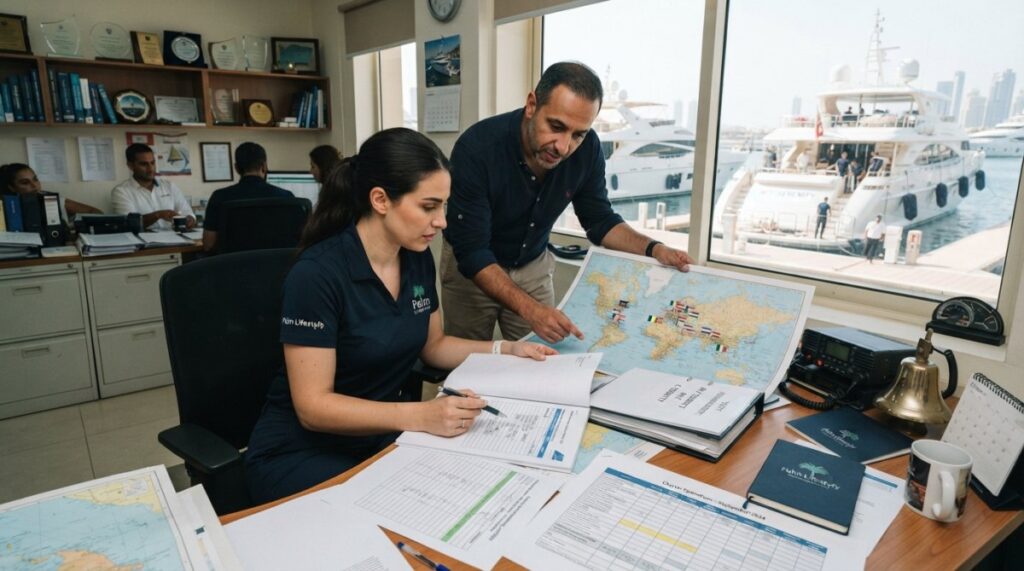
Table of Contents
- What Is Yacht Charter Management and How Does It Work
- Understanding Yacht Charter Programs and Ownership
- How Yacht Charter Income and Revenue Generation Works
- Yacht Maintenance Management and Operational Responsibilities
- Advance Provisioning Allowance and Operating Costs
- Financial Considerations and Hidden Costs in Charter Management
- Exit Strategies: What Happens When You Want Out
- Common Mistakes to Avoid in Yacht Charter Management
How Yacht Charter Management Works: A Complete Guide
Last Updated: July 27, 2026
What Is Yacht Charter Management and How Does It Work
Understanding yacht charter management is essential for anyone considering vessel ownership as an investment. A professional management company takes operational control of your yacht, handles all logistics, and generates revenue through charter bookings while you retain ownership. This model transforms an expensive asset into a potential income-producing investment.
When you place your yacht into a charter management program, you hire a specialized company to operate it as a commercial vessel. They market the yacht to potential charterers, manage bookings, coordinate crew, handle maintenance, and manage finances while you maintain legal ownership and receive a share of revenue. This arrangement works because professional management companies have expertise, marketing reach, and operational infrastructure that individual owners typically lack.
The Core Model
The charter management model maximizes use while minimizing operational risk. A management company typically takes 20-50% of gross charter revenue depending on service level and yacht type, passing the remainder to the owner after deducting operating expenses. This creates alignment: the company’s income grows when your yacht generates more bookings.
Management companies maintain relationships with charter brokers worldwide, understand seasonal demand patterns, and know which markets offer the highest charter rates. They handle crew payroll, fuel procurement, regulatory compliance, insurance claims, and emergency repairs. For owners wanting passive income without managing these details, this delegation justifies the commission.
A 40-meter superyacht might generate 800-950k€ in gross charter revenue annually. After the management company takes its percentage and operating expenses are deducted, the owner will receive 80% of gross revenue, depending on contract terms.
Key Players in the Process
Three main parties shape yacht charter management: the owner, the management company, and the charter broker network. The owner provides capital, owns the vessel, and receives income. The management company handles day-to-day operations and marketing. Charter brokers connect the yacht with actual charterers and handle booking logistics.
The management company sits at the center of this ecosystem, maintaining crew, coordinating maintenance, managing insurance and registration, handling accounting, and responding to emergencies. They market the yacht through their website, broker networks, travel agents, and direct corporate clients. A well-connected management company can keep a superyacht booked 8-10 weeks annually; a poorly connected one might achieve only 3-4 weeks.
Charter brokers act as intermediaries between potential charterers and the management company. They search across multiple fleets, negotiate terms, and handle booking paperwork. Brokers earn commissions (typically 10% of charter fees) from the management company, creating incentive to place the yacht frequently.
Understanding Yacht Charter Programs and Ownership
Yacht charter programs come in two primary structures: bareboat and crewed charters. Most superyachts operate under crewed charter models because they command higher rates and attract corporate and high-net-worth clients expecting professional service.
Bareboat vs. Crewed Charter Models
Bareboat charters rent the vessel only; the charterer provides their own captain and crew. This model generates 30-40% less revenue than crewed charters but requires minimal management company involvement beyond maintenance. Bareboat charters appeal to experienced sailors but represent a small percentage of the luxury yacht market.
Crewed charters include the captain, crew, and typically catering. A 40-meter crewed charter might command 150,000-250,000 EUR per week in peak Mediterranean season.
Owner Participation and Control
Most charter management contracts give owners limited day-to-day control but significant strategic oversight. You typically approve the charter calendar, set pricing guidelines, and review financial reports monthly. However, you don’t micromanage crew decisions or negotiate individual charter contracts.
This balance is crucial. Owners who retain too much control often conflict with management companies over pricing and availability. Personal use typically reduces charter revenue by 2-4 weeks annually, depending on seasonal demand patterns.
How Yacht Charter Income and Revenue Generation Works
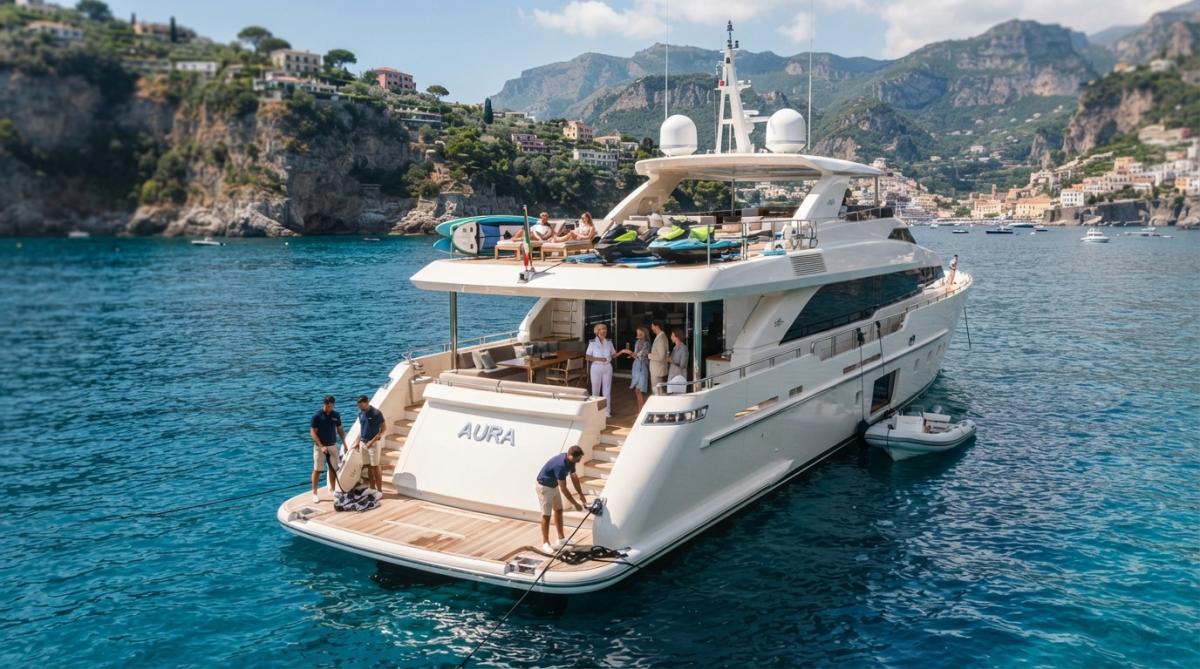
Charter revenue is the primary financial driver of yacht ownership under management. Understanding how this revenue is calculated and distributed is essential before committing to a management program.
ROI Expectations and Financial Reality
A superyacht typically costs 5-8% of purchase price annually to operate. A 10 million EUR yacht costs roughly 500,000-800,000 EUR per year to run. Charter revenue rarely covers this entirely, but can meaningfully reduce net ownership costs.
A well-positioned superyacht generating 400,000 EUR in annual net charter revenue reduces your true cost of ownership by 50%. For some owners, this justification alone makes charter management worthwhile. The financial reality depends heavily on market conditions, yacht age, and condition.
Advance Provisioning Allowance and Operating Costs
The Advance Provisioning Allowance (APA) is a critical concept in yacht charter economics. It’s a deposit charterers pay upfront to cover expenses incurred during their charter that aren’t included in the base charter rate.
What APA Covers
The APA typically covers fuel, food and beverages, port fees, and miscellaneous supplies consumed during the charter. A typical APA for a superyacht charter might be 10-20% of the weekly charter rate. The management company collects the APA, uses it to cover actual expenses, and returns any surplus to the charterer after the charter concludes.
Fuel consumption is the largest APA variable. A superyacht burns 200-400 liters per hour at cruising speed. A week-long Mediterranean charter might consume 15,000-30,000 liters. Port fees, mooring, and provisioning add another 5,000-15,000 EUR weekly.
Managing Dockage, Insurance, and Registration
Dockage fees are a year-round fixed cost. A superyacht’s annual dockage in a major Mediterranean port costs 100,000-300,000 EUR depending on size and location. Some management companies negotiate discounted rates by committing multiple yachts to a marina.
Yacht insurance is mandatory and expensive. A superyacht’s annual insurance typically costs 0.5-1.5% of hull value. A 10 million EUR yacht pays 50,000-150,000 EUR annually for comprehensive coverage.
Registration and flag state requirements vary by jurisdiction. Most superyachts are registered in maritime-friendly jurisdictions that offer regulatory flexibility and tax advantages. The management company handles registration renewal, flag state compliance, and crew documentation.
Financial Considerations and Hidden Costs in Charter Management
Beyond obvious operating expenses, several financial realities affect the true cost of yacht ownership under charter management.
Depreciation and Tax Implications
Yachts depreciate 3-5% annually. After 10 years, a yacht typically retains 50-60% of original purchase price. However, many jurisdictions allow business depreciation deductions for yachts operated commercially. On a 10 million EUR yacht, annual depreciation deductions might reduce taxable income by 400,000-500,000 EUR, potentially saving 100,000-200,000 EUR in taxes annually depending on your tax bracket.
The interplay between depreciation, charter revenue, and tax liability is complex and jurisdiction-dependent. Consult with a tax advisor familiar with maritime law before committing to charter management.
Risk Assessment and Liability
Charter management introduces liability exposure. If a charterer is injured, damages the yacht, or causes environmental damage, the owner typically retains some exposure despite professional management and insurance.
Professional management companies carry comprehensive liability insurance and require charterers to sign detailed liability waivers. However, the owner remains the legal vessel owner and can face claims if the management company or crew acts negligently.
Another risk is market exposure. Charter demand fluctuates with economic conditions, seasonal patterns, and competitive supply. A yacht that generates strong revenue in good years might generate minimal revenue during recessions.
Exit Strategies: What Happens When You Want Out
Understanding exit options before committing to charter management is essential.
Selling a Chartered Vessel
Selling a yacht in active charter management requires coordination with the management company. Most contracts include termination clauses specifying notice periods (typically 90-180 days) and any early termination fees.
A yacht in active charter management may be easier to sell because it has documented revenue history. Potential buyers can review actual charter earnings, which reduces uncertainty about income potential. However, the sale process typically requires the yacht to exit charter management during listing and sale, creating a gap where the yacht generates no revenue. Plan for 3-6 months of lost charter income during the sales process.
Transitioning Out of Management Programs
If you want to exit charter management and operate the yacht privately, you must notify the management company according to contract terms. Typically, you must provide 90-180 days’ notice and allow existing charters to conclude.
This transition is more expensive than it appears. You’ll need to hire a captain and crew, establish maintenance contracts, and handle administrative duties. For many owners, the cost and hassle of private operation exceeds the savings from eliminating the management company’s commission.
Some owners transition to a different management company rather than exiting entirely. This requires ensuring the new company can accommodate your yacht’s schedule and offers competitive terms.
Common Mistakes to Avoid in Yacht Charter Management
Underestimating operating costs. Many owners focus on charter revenue projections and underestimate true operational costs. Budget conservatively and assume operating costs will exceed initial estimates by 15-20%.
Choosing the wrong management company. Not all management companies are equal. Research thoroughly, speak with other owners, and verify their track record with similar yachts.
Expecting immediate high use. A new yacht typically requires 6-12 months to build reputation and broker relationships. Don’t expect 25+ weeks of bookings in year one.
Retaining too much control. Owners who micromanage pricing and availability often conflict with management companies. Trust the professionals you hired.
Ignoring maintenance schedules. Deferring maintenance to save costs is counterproductive. A yacht that fails its survey generates zero revenue and requires expensive emergency repairs.
Not reviewing financial reports. Regular monthly review catches discrepancies, unusual expenses, and optimization opportunities.
Failing to plan for personal use. Blocking out weeks during peak season costs significant charter revenue. Plan personal use during shoulder seasons to minimize impact.
Yacht charter management transforms ownership from a pure consumption expense into a potential revenue-generating investment. The process requires professional oversight, clear contracts, and realistic financial expectations. Whether you’re considering placing an existing yacht into management or purchasing a vessel specifically for charter, understanding how the model works and its real financial implications is essential. Get in touch to discuss your yacht ownership goals and explore whether charter management aligns with your financial objectives.
Frequently Asked Questions
What is yacht charter management and how does it differ from owning a private yacht?
Yacht charter management is a professional service where a third-party company operates your vessel, handles crew, maintenance, and marketing, and generates revenue by renting it to clients. Unlike private ownership, where you bear all costs and use the yacht personally, charter management transforms your asset into an income-producing vessel. The management company takes responsibility for regulatory compliance, vessel operations, and day-to-day logistics, allowing owners to offset operational expenses through charter revenue while maintaining ownership flexibility.
How much yacht charter income can I realistically expect from my vessel?
Yacht charter income depends on vessel size, condition, location, season, and market demand. Superyachts in popular Mediterranean destinations typically generate higher daily rates than smaller vessels in less-traveled regions. However, gross charter revenue must be reduced by the management company's commission (typically 20-50%), crew costs, fuel, insurance, maintenance, dockage, and advance provisioning allowance (APA). Many owners find that after all operating expenses, net returns range significantly—some vessels generate positive cash flow while others require owner contribution. Your charter management company can provide realistic projections based on comparable vessels and market analysis.
What is an Advance Provisioning Allowance (APA) and why is it important?
An Advance Provisioning Allowance (APA) is a deposit charterers pay to cover anticipated operating expenses during their charter period, including fuel, food, beverages, port fees, and crew gratuities. The APA is held separately and reconciled at the charter's end—unused portions are refunded to the charterer, while overages are billed. APA management is critical because it ensures the vessel has sufficient funds for operations and prevents owners from absorbing unexpected costs. Your yacht management company typically collects and manages the APA, ensuring transparent accounting and proper allocation of expenses.
What are the main risks and exit strategies if yacht charter management isn't working out?
Key risks include vessel depreciation, unexpected maintenance costs, liability exposure, and market downturns affecting charter demand. Exit strategies include selling the vessel through a yacht broker (with the management company's assistance), transitioning to private ownership, or switching to a different management company. Some owners negotiate early termination clauses in management contracts, though this may involve penalties. Tax implications and depreciation schedules also affect exit timing. A professional yacht brokerage can help evaluate your options and structure an exit that maximizes remaining asset value while managing contractual obligations.