
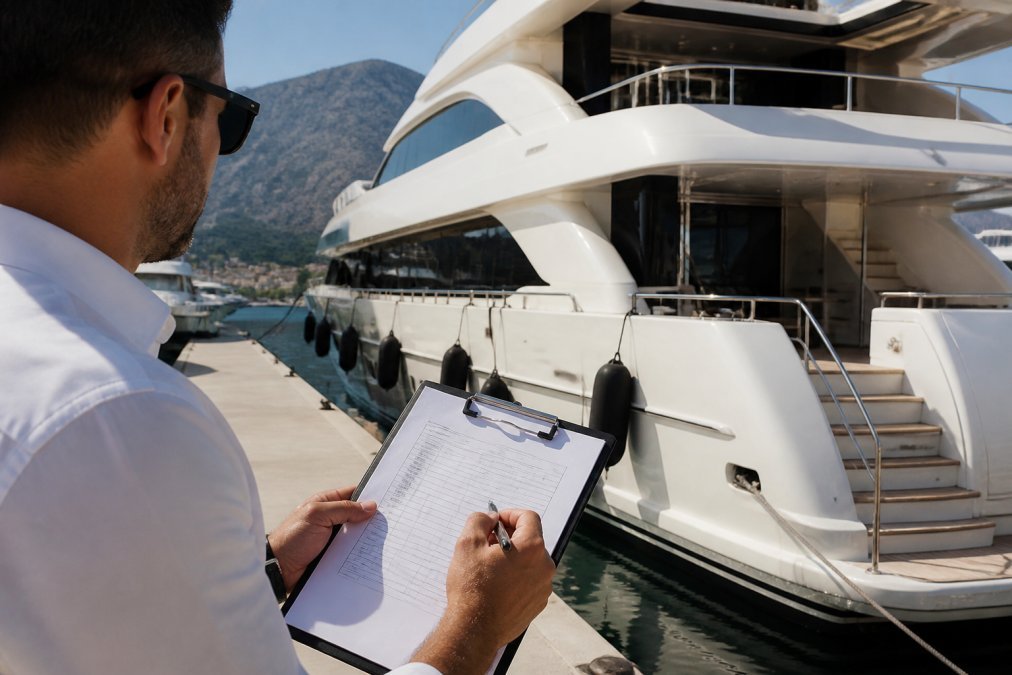
Table of Contents
- The Core Yacht Valuation Factors Every Owner Should Know
- Yacht Depreciation Rates: What Owners Actually Lose
- The Impact of Refits on Yacht Value
- Yacht Resale Value Optimization: Documentation and Maintenance Records
- Yacht Brokerage vs Direct Seller: Which Route Protects Your Price
- How Market Conditions and Economic Cycles Move Yacht Values
- Frequently Asked Questions
Last Updated: September 24, 2026
The Core Yacht Valuation Factors Every Owner Should Know
Yacht valuation is the process of establishing what a vessel is genuinely worth on the open market, based on its condition, specification, provenance and current demand. For owners, understanding yacht valuation factors is the difference between a confident sale and a slow, expensive lesson. This guide from Palm Lifestyle breaks down the variables that move the number, and the ones owners routinely underestimate.
Two forces dominate every appraisal: what the vessel is, and who built it. Everything else, from refits to paperwork, either supports or undermines those two pillars.
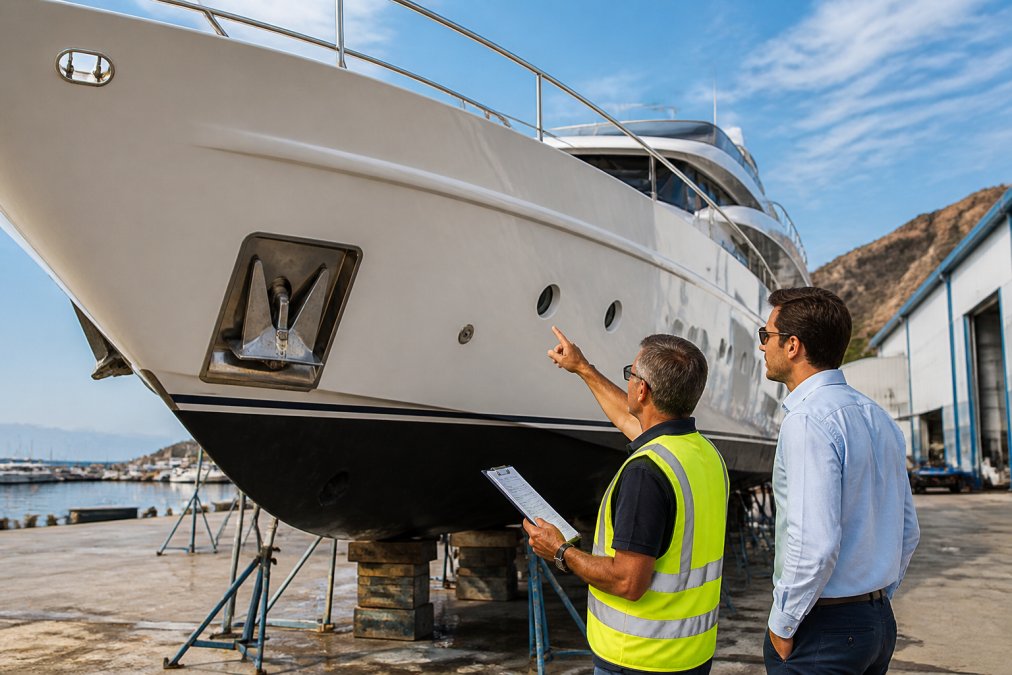
Vessel Age, Size and Specification
Age is the most predictable driver of yacht depreciation rates, but it is rarely the deciding one. A well-maintained ten-year-old vessel from a respected yard frequently outperforms a neglected five-year-old from a lesser one. Size matters differently: mid-range vessels tend to have the deepest buyer pool, while very large yachts trade in a thinner market where a single motivated buyer can shift the price significantly.
Specification is where valuations get personal. Layout, cabin configuration, range, and onboard technology all narrow or widen the buyer pool.
Builder Tier and Brand Equity
Builder tier is the single strongest anchor on value. A marine surveyor will assess condition, but the market prices brand equity first. Yards with a long track record of seaworthiness, resale liquidity and reliable after-sales support hold value in a way that newer or lower-volume builders simply cannot match.
Yacht Depreciation Rates: What Owners Actually Lose
New yachts lose value fastest in the first years of ownership, then the curve flattens. The sharp early decline reflects the gap between the price of a new build and what the market will pay for a nearly new one, plus the immediate hit from delivery, commissioning and first registration.
- VAT-paid versus VAT-unpaid. A vessel that has been used privately inside a customs territory and can evidence duty and tax paid is straightforward to sell to a private buyer in that territory. A vessel that has been under a temporary admission or transit arrangement, or that has been used commercially under a charter exemption, may not carry the same status. A buyer who intends to keep the vessel privately in the same region will often discount an unpaid-status vessel heavily, because regularising the position is their problem after purchase.
- Flag and registration history. A vessel registered under a flag with a well-regarded survey and tonnage regime, and with a clean chain of ownership documentation, is easier to finance and insure. Buyers who need bank finance are effectively restricted to vessels whose registration and title records a lender will accept, which narrows the pool for anything irregular.
- Commercial versus private use. A yacht with a charter history has earning potential but also wear, engine hours and a compliance record. Some buyers pay a premium for a proven charter platform; private buyers often discount it. The direction of the adjustment depends entirely on who is standing in front of you.
The Impact of Refits on Yacht Value
A refit can recover value, but only when it targets what buyers actually check. The useful way to think about refit spend is not ‘did it improve the yacht’ but ‘did it remove a discount the buyer would otherwise apply’. Refits that remove a known objection tend to return value. Refits that express a preference tend not to.
Upgrades that reliably support resale value
- Engine and mechanical overhaul. The single strongest value driver, because it converts an unknown into a known. A documented overhaul with hours reset, parts listed and a reputable yard behind it removes the buyer’s largest single risk. Without documentation, it is treated as if it never happened.
- Hull, superstructure and paint. Osmosis treatment, structural repair and a professional paint job are visible, verifiable and expensive to replicate. Buyers price them directly.
- Stabilisers and ride comfort. Zero-speed and fin stabilisation has moved from luxury to expectation on larger motor yachts. A vessel without it is compared against vessels that have it, and the discount is applied before any negotiation begins.
- Navigation and onboard systems brought to current standard. Not because buyers want the newest screens, but because obsolete systems signal deferred maintenance elsewhere.
- Tender handling and storage. On larger vessels, a poorly resolved tender garage or crane arrangement is a persistent objection that a refit can eliminate.
Upgrades that are usually sunk costs
- Bespoke interior styling and personalised layouts. A layout that suits one owner’s family pattern can actively narrow the buyer pool. The spend is real; the recovery is usually partial at best.
- Repurposing a space for a single use. Converting a cabin into a gym, studio or cinema reads as a loss of accommodation to most buyers, even when the workmanship is excellent.
- Cosmetic-only refresh without mechanical work. New soft furnishings on a vessel with an undocumented engine history do not move the number.
- Hybrid and alternative propulsion retrofits. These are technically impressive and increasingly relevant, but the resale market for them is still thin and buyer confidence in long-term support varies widely. Treat the spend as a personal preference unless the vessel’s segment has already moved that way.
Refit Category | Typical Value Impact | Buyer Priority |
|---|---|---|
Engine and mechanical overhaul | Strong positive | High |
Hull, superstructure and paint | Strong positive | High |
Stabilisation and ride comfort | Strong positive on larger motor yachts | High |
Navigation and onboard technology | Moderate positive | Medium |
Tender handling and storage | Moderate positive | Medium |
Interior refresh and soft furnishings | Moderate positive | Medium |
Hybrid or alternative propulsion retrofit | Uncertain, segment dependent | Low to medium |
Personalised styling or bespoke layout | Neutral to negative | Low |
Yacht Resale Value Optimization: Documentation and Maintenance Records
Yacht resale value optimization starts long before the listing goes live. The owners who achieve the strongest prices are the ones who treated record-keeping as part of ownership, not an afterthought at sale.
- Full service and maintenance log, chronologically ordered
- Refit records with invoices and contractor details
- Engine and generator hours, verified
- Classification and flag documentation, current
- Insurance history and any claim records
- Original build specification and any subsequent modifications
Yacht Brokerage vs Direct Seller: Which Route Protects Your Price
Yacht brokerage vs direct seller is not really a question of commission, it is a question of exposure. A direct sale saves the brokerage fee but limits your reach to buyers you can personally access, which for most vessels is a fraction of the real market.
How Market Conditions and Economic Cycles Move Yacht Values
Yacht values track economic confidence, and the lag is real. Charter demand, capital availability and currency movements all feed into what buyers will commit to, and the effect shows up in asking prices months later.
Frequently Asked Questions
What is the 10 percent rule for yachts?
The 10 percent rule is a rough planning tool: annual running costs for a yacht tend to land near 10 percent of its purchase price. On a larger vessel, crew salaries, berthing fees, insurance, fuel and scheduled maintenance combine into that figure. Treat it as a budgeting benchmark, not a valuation method. The rule helps owners see how total cost of ownership affects the price a buyer will pay, because a vessel with predictable running costs is easier to sell.
How can I get a valuation for my yacht?
Commission a yacht appraisal from a qualified marine surveyor, then cross-check it against recent sale prices for similar models. A survey covers vessel condition, technical systems, hull integrity and onboard technology. A broker adds market context: current demand, comparable listings and realistic time to sell. Palm Lifestyle provides professional yacht valuation for sellers, combining survey findings with live market data so the asking price holds up under scrutiny.
What are the primary factors that influence yacht depreciation rates?
Yacht depreciation rates depend on vessel age, builder tier, model demand and condition. Production yachts typically lose value faster in the first years than custom superyachts from established yards, where brand equity supports resale liquidity. Maintenance records, refit history and engine hours all shift the curve. Market conditions matter too: price volatility in pre-owned stock can accelerate or slow depreciation regardless of how well the vessel has been kept.
How does maintenance history impact resale value?
Complete documentation is one of the strongest levers in yacht resale value optimization. Buyers and their surveyors want service logs, refit invoices, engine hour records and classification paperwork. A vessel with gaps in its history invites price negotiation or a failed survey. Owners who keep a single organised file, updated after every yard period, consistently achieve stronger offers and faster sales than those reconstructing records at listing time.
Knowing the factors is one thing; pricing them correctly in a live market is another. Palm Lifestyle provides professional yacht valuation and strategic marketing for sellers, backed by direct access to a worldwide fleet and deep experience across the GCC and Mediterranean markets. Our team handles the full process, from valuation and documentation review through to buyer negotiation, so your vessel reaches the right buyer at the right number. Get in touch with us to discuss your yachting needs.