

Table of Contents
- Understanding Yacht Acquisition: What It Means to Own
- Define Your Yachting Programme and Budget
- Selecting a Yacht Broker and Conducting Due Diligence
- The Yacht Search and Selection Process
- Marine Surveys and Sea Trials: Technical Due Diligence
- Yacht Registration Dubai and Legal Flag State Requirements
- Yacht Financing, Insurance, and Operational Costs
- Post-Acquisition: Commissioning, Management, and Exit Strategy
Understanding Yacht Acquisition: What It Means to Own
Acquiring a yacht represents one of the most significant lifestyle decisions a discerning individual can make. It’s not simply a purchase transaction, it’s the beginning of a maritime ownership journey that demands careful planning, technical expertise, and strategic guidance. Whether you’re considering a modest motor yacht or a superyacht, the process involves layers of financial, legal, and operational complexity that separate successful owners from those who encounter costly surprises.
At Palm Lifestyle, we provide guidance to clients through yacht acquisition. The difference between a smooth acquisition and a problematic one typically comes down to understanding what you’re actually committing to before you sign anything. This guide walks you through each phase of the acquisition process, from defining your yachting programme through post-purchase commissioning and management strategies.
A yacht is a depreciating asset with ongoing operational costs that can exceed the purchase price within five years. Yet with proper planning, strategic selection, and expert guidance, yacht ownership delivers unmatched experiences and, for some, meaningful revenue generation through charter programmes.
Define Your Yachting Programme and Budget
Your first decision isn’t which yacht to buy, it’s what you actually want to do with one. A yachting programme is your answer to that question. It’s the framework that determines everything downstream: the vessel’s size, type, location, crew requirements, and total cost of ownership.
Most prospective owners skip this step and pursue vessels based on aesthetics rather than actual usage patterns, resulting in purchases that don’t match their needs.
Start by defining your programme across these dimensions:
- Primary use case: Family vacations, corporate entertainment, charter revenue generation, or a combination
- Geographic focus: Mediterranean cruising, Caribbean exploration, or global operations
- Timeline: How many weeks per year will you actually use the vessel
- Guest capacity: How many family members or clients need accommodation simultaneously
- Operational complexity: Are you comfortable with a large crew, or do you prefer simplified operations
- Budget horizon: Not just purchase price, but five-year total cost of ownership including maintenance, insurance, crew, fuel, and management
A 30-metre motor yacht used for eight weeks annually in the Mediterranean requires entirely different specifications than a 50-metre superyacht supporting year-round corporate charters.
Total cost of ownership typically breaks down as follows: annual maintenance runs 5-10% of vessel value, crew costs range from modest for smaller yachts to substantial for superyachts, insurance depends on flag state and coverage type, fuel consumption scales with vessel size and usage, and management fees apply if you use professional yacht management. These figures compound significantly over time.
Once you’ve defined your programme, establish a realistic budget. The purchase price is typically 40-50% of your first-year total cost. This clarity prevents overspending on acquisition and discovering you cannot afford operations.
Selecting a Yacht Broker and Conducting Due Diligence
Your broker is your most critical partner in the acquisition process. A professional yacht broker brings three essential capabilities: access to inventory beyond public listings, negotiation expertise that protects your interests, and technical knowledge to identify red flags during evaluation.
When selecting a broker, evaluate their track record on completed transactions, not just their listings. Ask for references from recent buyers and sellers. Understand their fee structure upfront, transparency here prevents surprise costs. Reputable brokers disclose all fees in writing before engagement begins.
A quality broker also provides honest counsel about market conditions and occasionally recommends against a purchase if it doesn’t match your programme. Verify their credentials with relevant maritime authorities and check their standing with professional yacht brokerage associations.
Palm Lifestyle specializes in connecting discerning clients with vessels that align with their specific yachting programmes. Our team conducts thorough due diligence on every vessel we represent, eliminating unsuitable options before they reach your evaluation stage. Whether you’re exploring options through Yacht for Sale or seeking guidance on the acquisition process, our expertise ensures you’re evaluating only genuinely suitable opportunities.
The Yacht Search and Selection Process
Once you’ve clarified your programme and selected your broker, the search phase begins. A well-defined yacht brief, a detailed document outlining your requirements, ensures you’re evaluating relevant vessels rather than wasting time on unsuitable options.
Your yacht brief should specify minimum and maximum dimensions, preferred propulsion systems, required crew accommodations, interior design preferences, and geographic location requirements. It should also detail non-negotiable specifications.
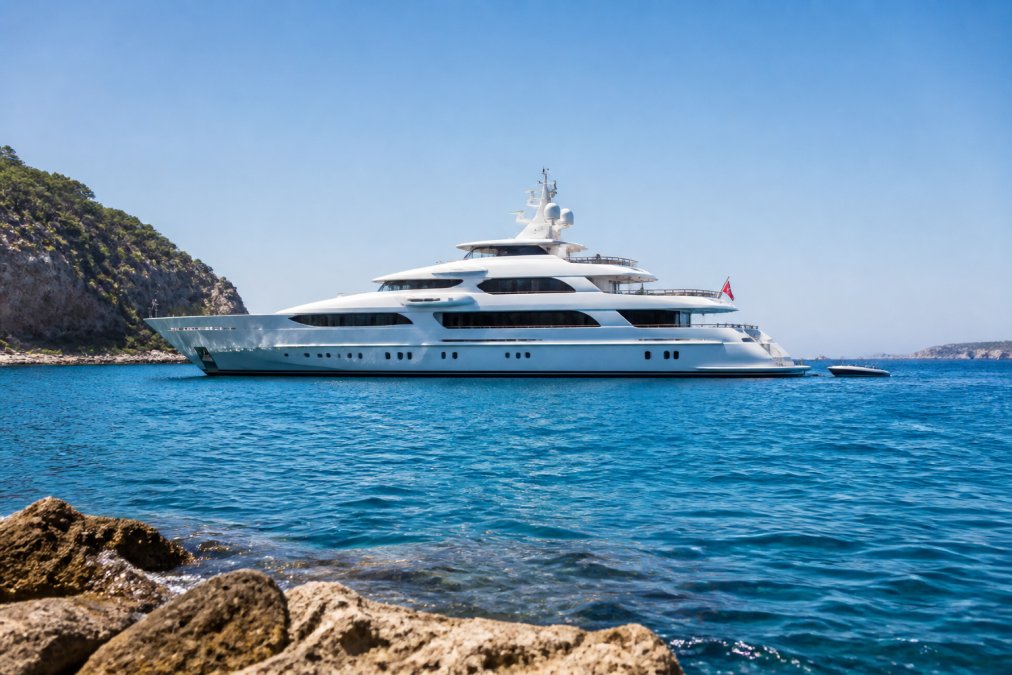
The global superyacht market contains roughly 5,000 vessels available at any time, but perhaps only 50-100 genuinely match a specific, well-defined brief. This scarcity is why patience and specificity matter more than rushing to view available options.
When potential vessels emerge, your broker should provide detailed specifications, high-resolution photography, and a preliminary assessment of condition. This initial review eliminates obvious mismatches before you invest time in physical inspection.
A beautiful vessel that doesn’t align with your programme is still a poor purchase. A less glamorous option that perfectly matches your requirements is the better choice. Request a comprehensive yacht specifications document for any vessel you’re seriously considering, including technical drawings, engine specifications, systems documentation, and maintenance records.
Marine Surveys and Sea Trials: Technical Due Diligence
No acquisition should proceed without a professional marine survey and sea trial. These steps represent your primary protection against inheriting hidden defects or operational problems.
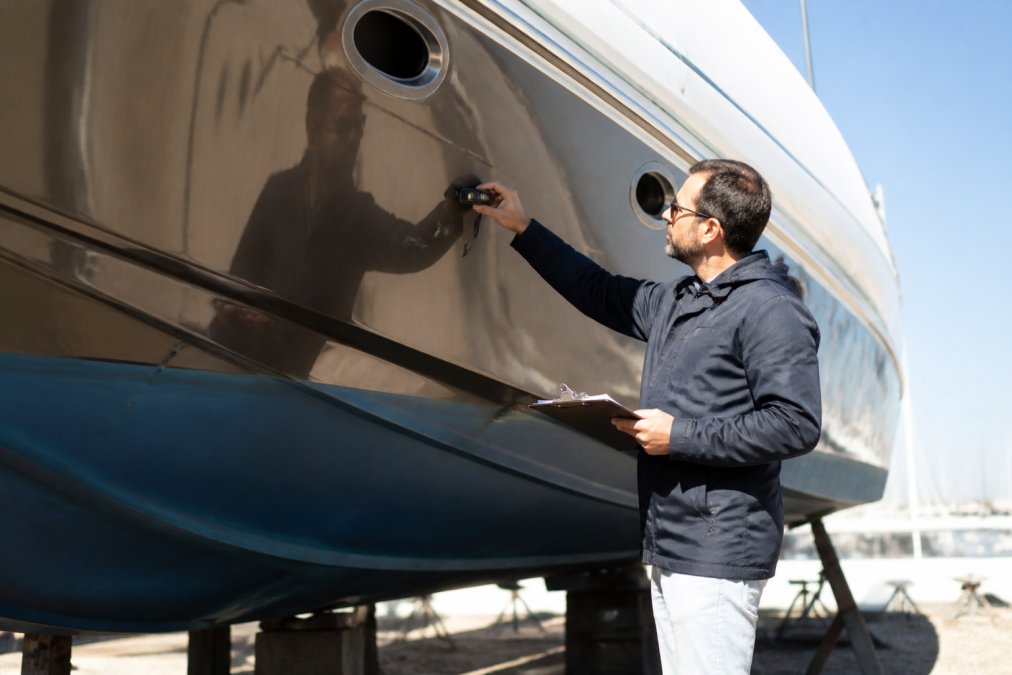
A marine survey is a comprehensive technical evaluation performed by a certified surveyor independent of the seller and broker. The surveyor examines the hull, mechanical systems, electrical systems, plumbing, safety equipment, and structural integrity. A thorough survey takes several days and costs between modest five-figure sums depending on vessel size and complexity.
The survey report documents existing defects, maintenance recommendations, and estimated costs for necessary repairs. Use this information to negotiate price adjustments or require repairs before delivery.
A sea trial follows the survey. This is your opportunity to operate the vessel under various conditions, test all systems, and evaluate performance. A proper sea trial lasts at least 24 hours and covers multiple operating scenarios: full-speed cruising, maneuvering in confined spaces, anchoring procedures, and system operations.
During the sea trial, you should personally operate the vessel or have your intended captain present. Listen to engine sounds, observe fuel consumption, test navigation systems, and evaluate comfort and handling characteristics. Document any systems that don’t perform as expected, unusual sounds, or operational concerns.
Yacht Registration and Legal Flag State Requirements
The flag state under which you register your yacht determines the legal framework governing your vessel, tax obligations, and operational requirements. This decision has significant implications for cost and compliance.
Get in touch with us to discuss your yachting needs. →
Flag state selection involves trade-offs between regulatory burden, tax implications, and operational flexibility. Many international owners choose flag states like Malta, Cyprus, or the Marshall Islands, which offer established maritime frameworks and international recognition. These jurisdictions typically have lower administrative requirements and established relationships with insurance providers and maritime service providers.
Your flag state decision should factor in:
- Where you’ll primarily operate the vessel
- Your tax residency and local regulatory obligations
- Insurance requirements and availability in your chosen jurisdiction
- Crew employment regulations and visa requirements
- Port state control considerations and compliance standards
Work with a maritime attorney familiar with your chosen flag state to ensure proper registration and compliance. The registration process typically takes 4-8 weeks and requires documentation of vessel specifications, ownership proof, and insurance confirmation.
Once registered, your vessel receives an official registry number and international maritime documentation. This registration must be renewed periodically and updated whenever ownership changes or significant modifications occur.
Yacht Financing, Insurance, and Operational Costs
Most yacht acquisitions involve financing. Traditional maritime lenders evaluate yacht loans based on vessel value, your creditworthiness, and the vessel’s income-generation potential through charter.
Yacht financing typically requires a substantial down payment. Loan terms generally range from 10-15 years for established vessels. The financing process requires comprehensive documentation: proof of funds for the down payment, detailed personal financial statements, tax returns, and professional valuation of the vessel.
Yacht insurance is mandatory for any financed vessel and highly advisable for all ownership. Marine insurance covers hull damage, third-party liability, crew injuries, and operational losses. Insurance premiums depend on vessel age, construction, usage patterns, and crew experience.
Operational costs extend beyond financing and insurance. Annual maintenance typically runs 5-10% of vessel value. Crew costs vary dramatically based on vessel size and operational model. Fuel consumption scales with vessel size and usage patterns. Dockage and mooring fees vary by location, with Mediterranean ports charging premium rates during peak season.
Management services provide professional oversight of maintenance, crew, compliance, and operational logistics. This expense is justified if you’re not actively managing the vessel daily or if you want professional expertise overseeing complex operations.
Post-Acquisition: Commissioning, Management, and Exit Strategy
Yacht commissioning is the process of preparing a newly acquired vessel for operation. Even if the vessel was recently in service, commissioning under new ownership ensures systems are configured to your preferences and all documentation is current.
Commissioning typically takes 2-4 weeks and includes system testing, crew training, provision loading, and final inspections. Address any items identified in the marine survey that require attention before the vessel enters service.
Once operational, ongoing yacht maintenance keeps your vessel in peak condition and protects your investment. Establish a maintenance schedule addressing routine servicing, seasonal inspections, and major overhauls.
Crew management becomes critical for operational success. Whether you employ a permanent crew or hire captain and crew for specific voyages, clear communication about expectations, responsibilities, and performance standards prevents misunderstandings and ensures professional service.
Consider your exit strategy before acquisition. How long do you intend to own the vessel? Will you eventually sell, or is this a permanent addition to your portfolio? If you plan to generate charter revenue, Yacht Charter programmes can optimize your vessel’s earning potential during ownership, or you might focus on preserving value for eventual resale.
Some owners enhance resale value by maintaining meticulous maintenance records, upgrading systems to current standards, and preserving the vessel’s condition. Others maximize charter revenue during ownership, accepting greater wear and depreciation in exchange for income generation.
The secondary market for yachts operates differently than new vessel sales. Resale value depends on vessel condition, market demand for that particular type and size, and broader economic conditions. A well-maintained vessel with strong provenance and recent upgrades commands premium pricing.
Palm Lifestyle assists yacht owners in developing strategic exit plans, whether that involves charter programme optimization to generate revenue or preparing vessels for sale at maximum value. Our market expertise ensures realistic valuation and effective positioning for your chosen exit approach.
Acquiring a yacht demands more than financial capacity, it requires clarity about your actual yachting programme, partnership with expert guidance, and realistic understanding of total ownership costs. The process unfolds across months of careful evaluation, technical inspection, and legal documentation. When executed properly, yacht ownership delivers extraordinary experiences and, for some, meaningful financial returns through strategic charter operations. Get in touch with us at Palm Lifestyle to discuss your yachting needs and explore how our expertise can simplify your acquisition journey.
Frequently Asked Questions
What is the step-by-step process to acquire a yacht?
The yacht acquisition process involves seven key stages: defining your yachting programme and budget, selecting a reputable yacht broker, conducting the yacht search, arranging a professional marine survey and sea trial, negotiating terms, securing yacht financing if needed, and completing legal registration and flag state requirements. Each stage requires careful attention to detail and professional guidance to ensure a smooth transaction and proper compliance with maritime regulations in your chosen registry.
What are the main yacht maintenance costs UAE owners should budget for annually?
Yacht maintenance costs in the UAE typically include crew salaries, fuel, insurance, mooring fees, routine servicing, spare parts, and compliance inspections. These operational costs generally represent 5-10% of the yacht's purchase value annually, though luxury superyachts and new builds may incur higher expenses. Additional costs arise from haul-outs for hull maintenance, engine overhauls, and system upgrades. Working with a professional yacht management company helps optimize these expenditures and prevent unexpected expenses.
How important is a professional yacht survey and inspection before purchase?
A professional yacht survey and inspection is essential before any acquisition. This technical due diligence identifies structural damage, engine condition, electrical systems, plumbing, and compliance issues that could cost thousands in repairs post-purchase. A comprehensive survey report provides negotiating leverage, protects your investment, and ensures the vessel meets maritime safety standards. Sea trials complement the survey by testing performance, handling, and systems under real conditions. Skipping this step risks inheriting hidden liabilities.
What is required for yacht registration Dubai and what flag state should I choose?
Yacht registration Dubai requires documentation including proof of ownership, technical specifications, insurance certificates, and compliance with local maritime regulations. The flag state you select determines which country's maritime law governs your vessel. Popular choices include the Dubai flag, Cyprus, Malta, and British Virgin Islands, each offering different tax structures, regulatory frameworks, and operational flexibility. Your yacht broker and legal advisor should guide you on the best flag state for your specific circumstances, considering tax implications and operational needs.